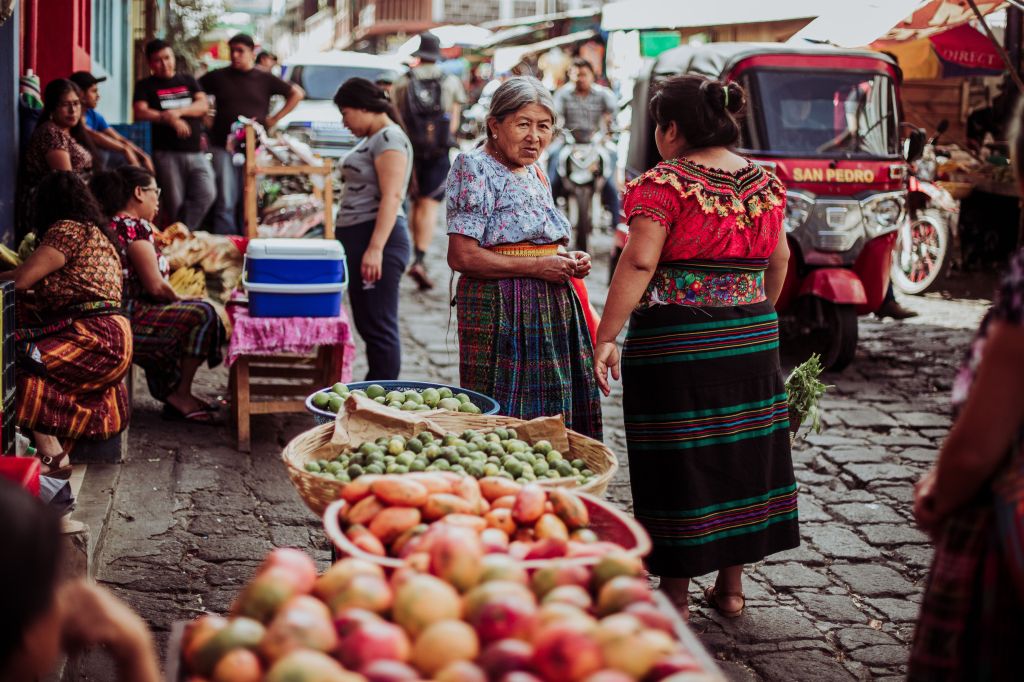
Conversations at Oaxaca’s local markets reflect the relationships that shape community life and stewardship alike. Photo by Carolina Basi via Pexels.
How community, stewardship, and everyday relationships shape our sense of place
Editor’s Note:
This essay began while researching Indigenous-led tourism in Oaxaca, Mexico. What started as a comparison between two places gradually became a reflection on how community relationships shape our relationship with the land around us.
Growing up in East Texas, you become accustomed to certain rhythms. Like long conversations in every check-out line or traffic that moves a bit slower thanks to a single overworked traffic light guarding the town’s only intersection. But you also bear witness to a different type of connection. Deep ties to the land, daily life shaped by the seasons, and memories shared across an entire community. Small towns often reveal a culture that still values its relationship with both the land and the people who call it home.
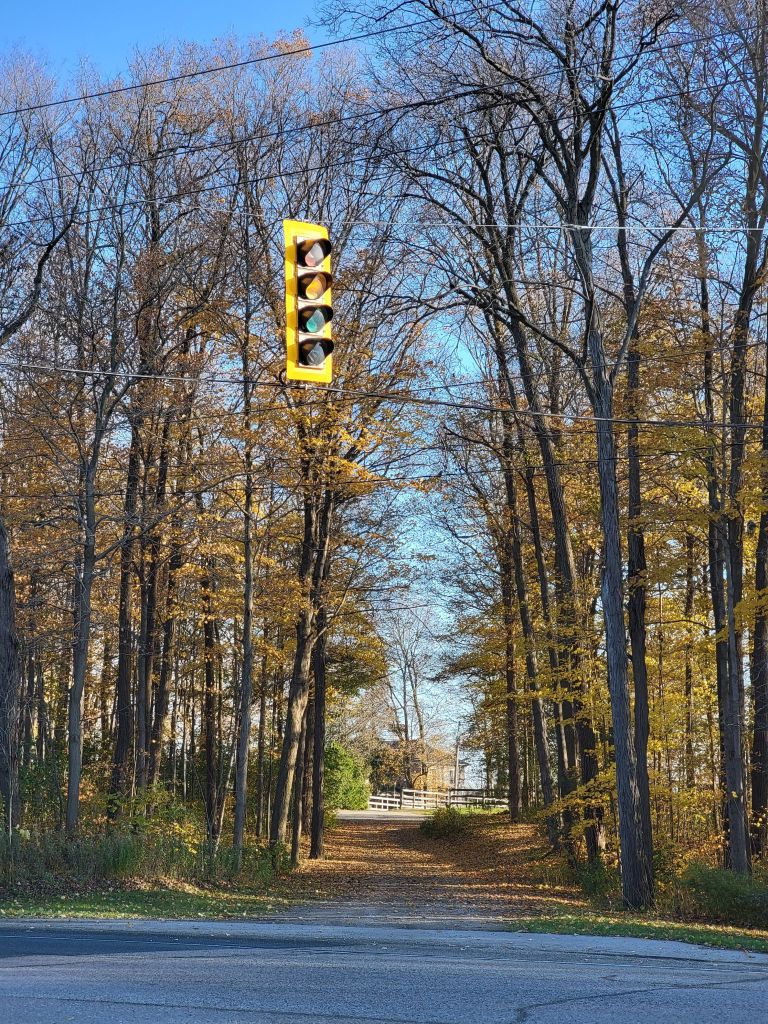
The slower rhythms of East Texas are shaped as much by its landscape as by the people who call it home. Photo by Rizwan Khanjra (@ritzz173) via Pexels.
While researching Oaxaca, in southern Mexico, I was surprised to find so many of these familiar patterns in a place I expected to feel entirely foreign and distant.
Familiar Rhythms
In many rural communities, relationships develop through familiarity, consistency, and participation in everyday life. Trust develops gradually rather than through efficiency or convenience alone. That’s part of why small-town conversations often stretch a little longer than expected.
As I began learning more about Indigenous communities in Oaxaca and their approach to environmental stewardship, I noticed another familiar pattern.
The same relationships that shape daily community life also shape relationships with the land itself.
In many Indigenous communities throughout Oaxaca, conservation efforts are managed locally and depend heavily on trust, cooperation, and shared responsibility.
Stewardship is not separate from community life. It’s just one expression of it.
Stewardship Through Community
Perhaps this is also why community-led tourism feels so different from more transactional forms of travel.
When local residents, artisans, guides, and conservation leaders become the people interpreting a place for visitors, travelers are not simply observing a destination.
They are participating, however briefly, in the relationships that give a place life.
While the structure may look different here in the United States, the same spirit of collaboration can often be found in rural communities. Many landowners work alongside agricultural educators, conservation specialists, and neighboring landowners to care for wildlife habitats and working lands through conservation programs and local stewardship efforts.
Yet the underlying values often feel surprisingly familiar.
In many rural regions, relationships with the land shape local traditions, livelihoods, and the ways communities work together. Oaxaca’s economy relies heavily on tourism and agriculture, industries that remain deeply connected to local landscapes and community participation.
Community tourism and conservation initiatives can also create opportunities for residents to remain close to home rather than leaving for work elsewhere. In one project, organizers explained that jobs in forestry, coffee production, and conservation allowed community members to support themselves without leaving their homes. In doing so, they continue to strengthen local traditions and support the long-term stewardship of both the land and their Indigenous culture.
What Markets Reveal
One place where these relationships become especially visible is in the local markets.
On a market day in Oaxaca, vendors arrive before sunrise carrying produce, coffee, handmade textiles, and prepared foods. Families travel from surrounding communities not only to buy and sell goods, but to reconnect with friends and relatives. The market becomes as much a social gathering place as an economic one.
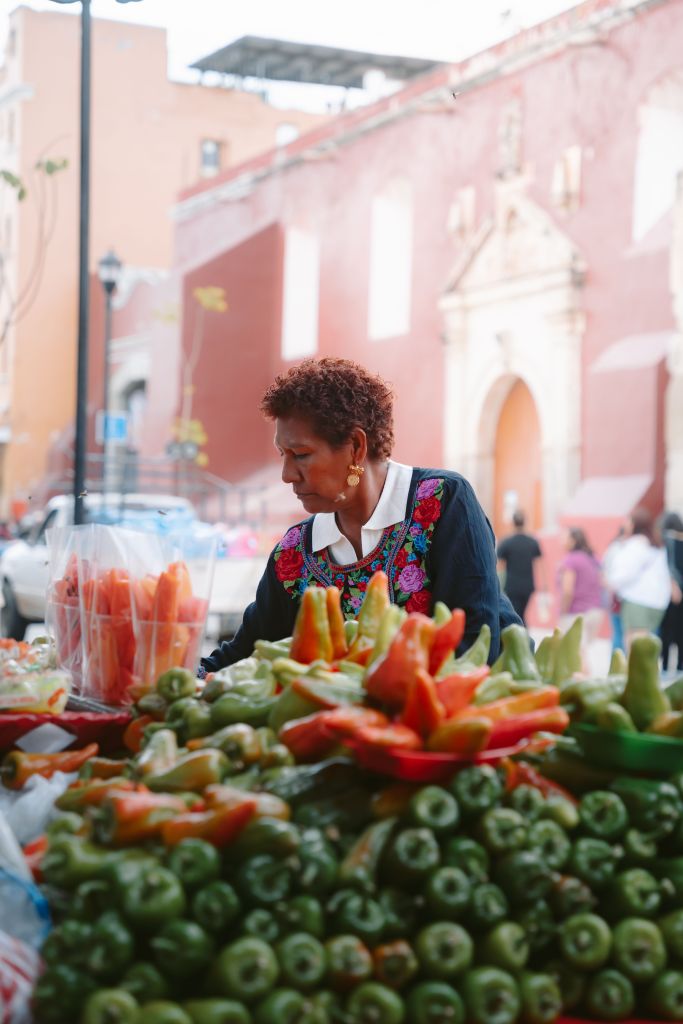
Local markets create spaces where cultural traditions can be practiced as naturally as everyday conversation. Photo by Miguel González (@mikegles) via Pexels.
Markets represent the intersection of agriculture, food, and community. Weekly market days continue to bring together surrounding villages, creating opportunities to support local producers while maintaining the relationships that hold their communities together.
In many ways, this reminded me of the farmers’ markets and trade days that still bring people together throughout East Texas and much of the United States. Although the products, languages, and landscapes are different, the rhythms feel surprisingly familiar: neighbors catching up over fresh produce, local artisans sharing their work, and communities gathering around the simple act of being together.
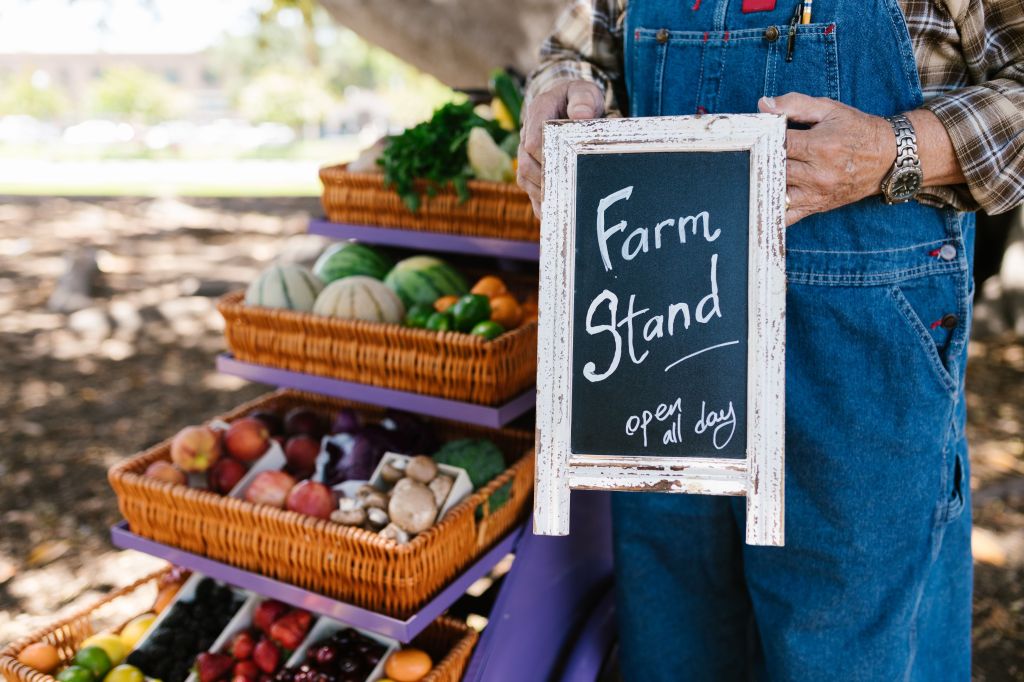
Farm stands remain a place where commerce, conversation, and community come together. Photo by RDNE Stock Project via Pexels.
Recognizing Familiar Values
Travel sometimes reveals similarities where we expect to find only differences.
The more I study places like Oaxaca, the more I realize that meaningful travel is not only about discovering what makes a place different from home.
Sometimes it’s also about recognizing familiar values expressed through entirely different histories, languages, and landscapes.
Community.
Stewardship.
Hospitality.
Belonging.
Sometimes the most surprising thing about another place is not how foreign it feels.
It’s how recognizable parts of it become once we slow down enough to notice.
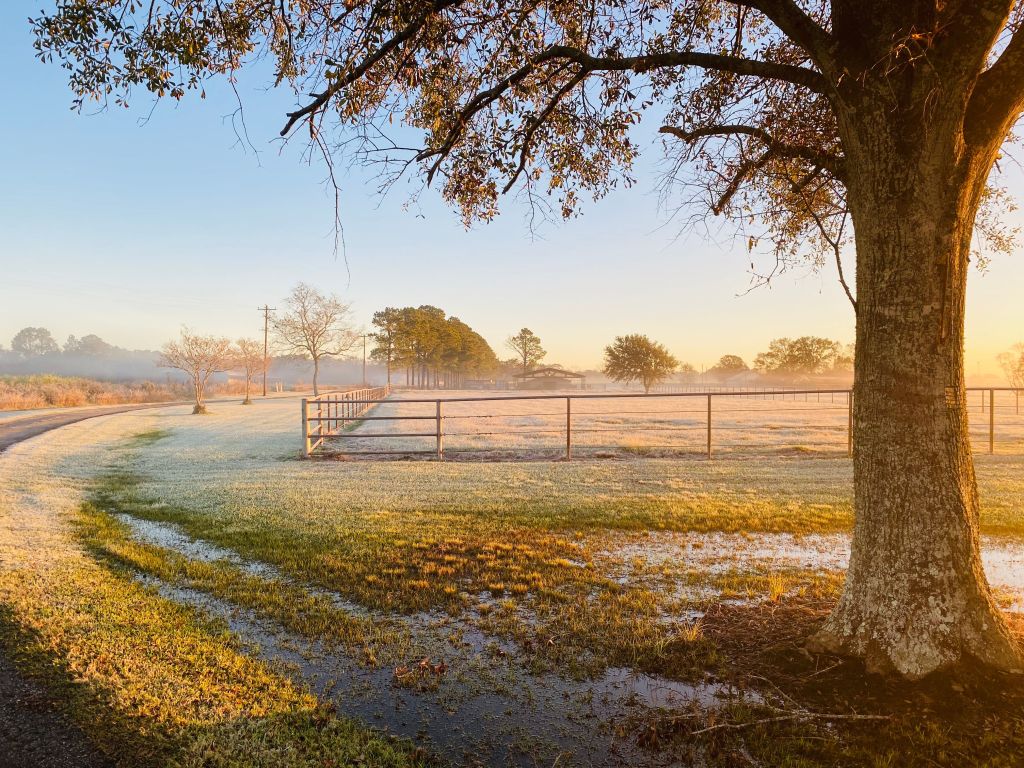
The landscapes we call home often become the lens through which we recognize ourselves in other places. Photo by EnsearchofYou via Pexels.
Continue Reading
If you enjoyed this article, you might also like:
- Partner Spotlight: Who Should Tell the Story of a Place?
- Travel Reflection: Meaningful Travel Begins Before You Arrive
- Travel Reflection: What Markets Reveal About a Community (coming soon)
About Conscious Journeys
Conscious Journeys explores the relationship between culture, ecology, and communication through thoughtful travel stories, field observations, and conversations with the people who know places best. Rather than asking only where to travel, it asks what we can learn from the people and places we encounter along the way.
Further Reading
- World Footprints. A Zapotec-Led Tour Company in Oaxaca Putting Its People First.
- Zapotec Travel.
- Duke University Nicholas School of the Environment. Finding the Common Thread: Community-Based Environmental Management in Oaxaca, Mexico.
- Lola’s Cocina. Market Days in Oaxaca.
- Sumak Travel. Pueblos Mancomunados: An Example of Rural Tourism in Oaxaca, Mexico.


Leave a Reply