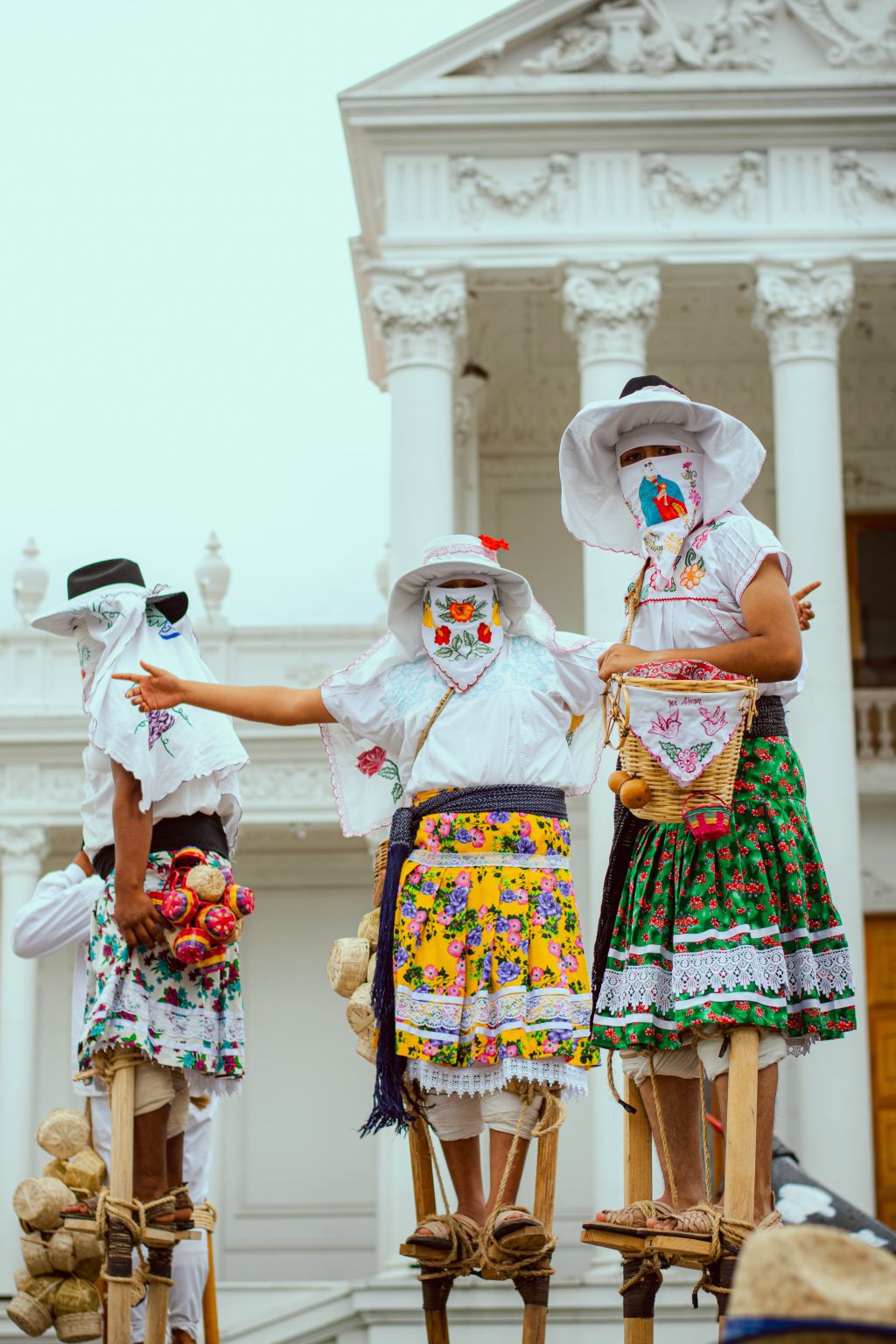
Every place has traditions that carry stories far older than the visitors who come to see them. Photo by César O’Neill (@cesaroneill), via Pexels.
Editor’s Note:
While researching community-based tourism in Oaxaca, I came across Zapotec Travel, a locally owned company founded by Liliana “Lily” Palma Santos. This reflection explores one of the ideas that has stayed with me the most: how the people who tell a place’s story can shape how we experience it.
While continuing my research into Oaxaca, Mexico, I came across Liliana “Lily” Palma Santos, founder of Zapotec Travel.
At first glance, it looked like another company offering cultural experiences throughout Oaxaca.
But the more I read, the more I realized their work is built on a very different philosophy.
Instead of simply showing visitors a destination, Lily works with more than fifty local partners, including artisans, guides, cooks, and small business owners. Many are women and members of local Indigenous communities, helping ensure that the people who know Oaxaca best are the ones sharing it with visitors.
That immediately made me pause.
Most travel companies begin by asking what visitors want to see.
From everything I’ve learned about Zapotec Travel, their work seems to begin with an entirely different question:
Who should be telling the story of this place?
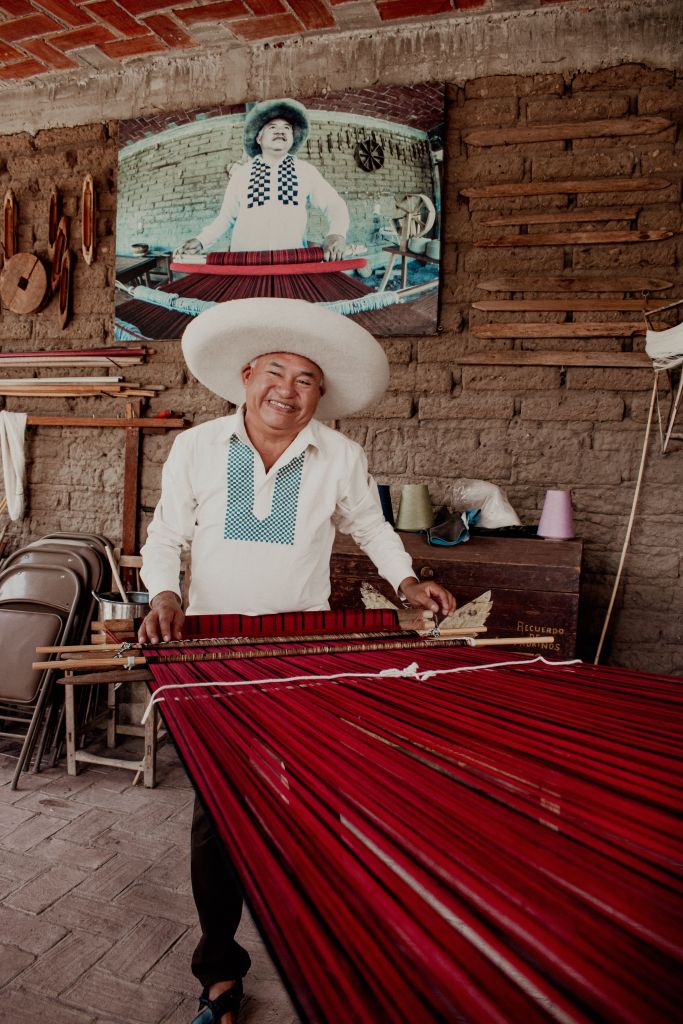
A place is remembered through the people who carry its traditions forward. Photo by Yesi Salguero (@yesi_trex), via Pexels.
The more I reflected on that question, the more significant it became.
What if the people who know a place best aren’t simply part of the experience?
What if they are the ones leading it?
When local communities interpret their own culture in their own voices, travel becomes less about consumption and more about understanding the people who call a place home.
Visitors don’t simply observe a destination.
They’re invited to participate, however briefly, in the stories, traditions, relationships, and ways of life that give that place its identity.
That feels like a very different kind of travel.
One built on relationships rather than transactions.
One where local knowledge isn’t treated as a souvenir to collect, but as expertise to learn from.
As I continue exploring Oaxaca, I’m beginning to think this may be one answer to the question that started the Conscious Journeys collection.
What truly makes a place feel alive?
Perhaps part of the answer is this:
A place feels most alive when the people who know it best are the ones sharing its story.
Continue Reading
- Introduction: What Makes a Place Feel Alive?
- Travel Reflection: Meaningful Travel Begins Before We Arrive
About Conscious Journeys
Conscious Journeys explores the relationship between culture, ecology, communication, and meaningful travel. Rather than asking only where to travel, this collection asks what we can learn from the people and places we encounter along the way.
Sources & Inspiration
This reflection was inspired by research into Indigenous-led tourism and community-based travel in Oaxaca, including:


Leave a Reply