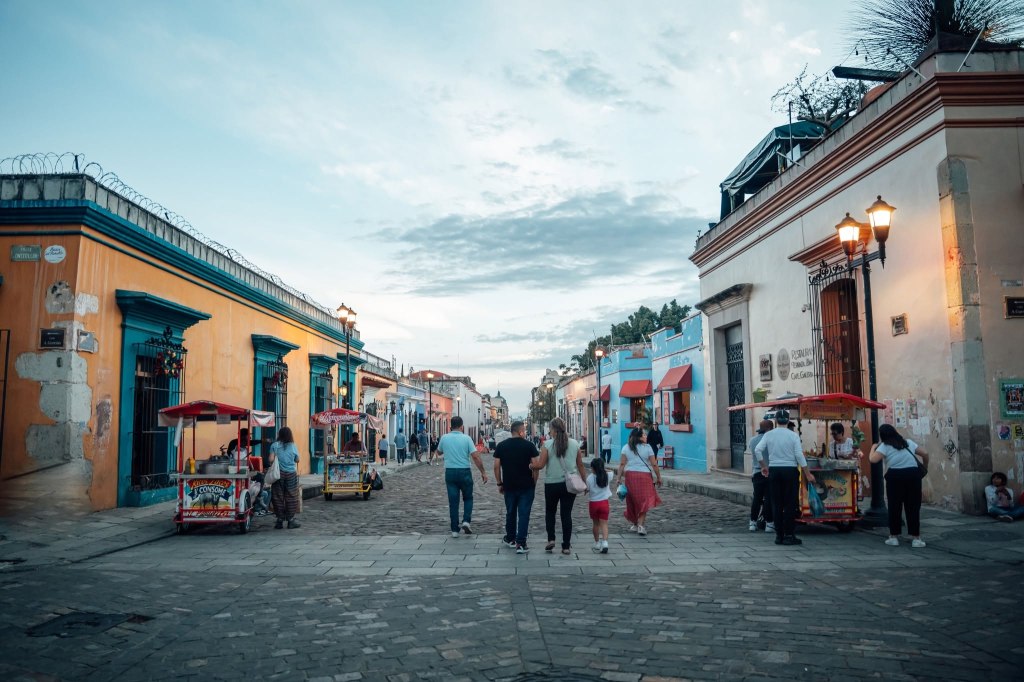
A place comes alive through the everyday moments unfolding along its streets. Photo by Miguel González (@mikegles), via Pexels.
Editor’s Note:
This essay introduces the questions guiding the Conscious Journeys collection. Rather than reviewing destinations, this series explores the relationships, communities, and ecological systems that shape how we experience a place.
Some people remember the landmarks they saw.
Others remember the meals they shared.
Some recall the crisp mountain air or the salty breeze blowing across a boat’s deck.
Those memories certainly matter.
But when I think back to the places that have stayed with me over the years, those aren’t the first images that come to mind.
Instead, I remember the moments that happened in between.
The conversations that weren’t planned.
The laughter echoing down a quiet street long after sunset.
The smell of fresh bread drifting from a neighborhood bakery before the city had fully awakened.
The market vendor greeting a familiar customer by name before turning to welcome a tourist with the very same warmth.
Those ordinary moments have a way of lingering long after the itinerary has been forgotten.
Slowly, I began to notice something.
The places that felt most memorable weren’t necessarily the ones with the most famous landmarks or the busiest attractions.
They were the places where relationships seemed visible.
Where neighbors knew one another.
Where local traditions remained part of everyday life.
Where the landscape wasn’t simply scenery, but something woven into the community’s identity.
Eventually, those observations led me to a simple question:
What truly makes a place feel alive?
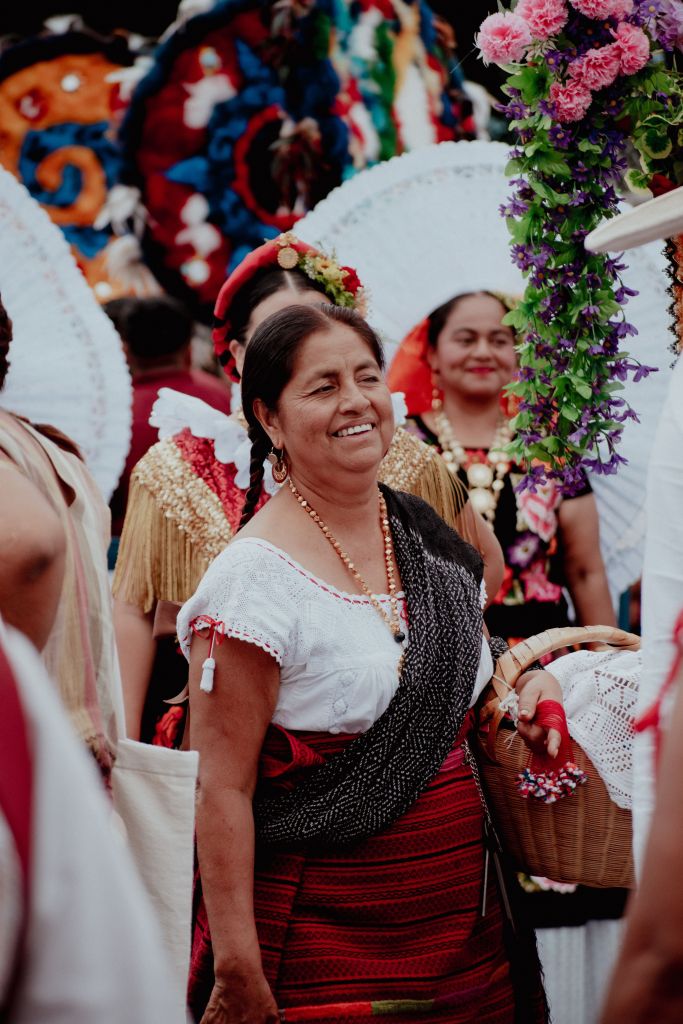
The spirit of a place is often found in the people who welcome us into it. Photo by Yesi Salguero (@yesi_trex), via Pexels.
At first, I assumed the answer would be found by traveling farther or seeing more.
Instead, I found myself paying closer attention to the places I was already exploring.
I began noticing the ways people cared for their communities, how local history shaped everyday conversations, how markets became gathering places, and how stewardship of the land often reflected the stewardship of relationships.
The more I observed, the more I realized that meaningful travel isn’t simply about collecting destinations.
It’s about learning to notice the systems that make those destinations possible.
The people.
The traditions.
The landscapes.
The relationships connecting them all.
That realization eventually became the foundation for this collection.
Through Conscious Journeys, I’ll be exploring destinations through the lens of ecology, culture, communication, and community. Sometimes those stories will come from my own travels. Often they’ll begin with research, conversations, or the experiences of people who know a place far better than I do.
This first collection begins in Oaxaca, Mexico.
The more I learned about Oaxaca, the more I found myself thinking about my own home in East Texas.
Different histories.
Different languages.
Different landscapes.
Yet beneath those differences, I kept recognizing familiar values:
Stewardship.
Hospitality.
Community.
Belonging.
They were expressed differently, yet they felt surprisingly familiar.
Those parallels became the beginning of a much larger question.
Not just what makes Oaxaca feel so alive.
But what makes any place feel alive?
I’m still searching for the answer, and I hope you’ll enjoy exploring it with me.
Continue Reading
The Conscious Journeys collection continues with:
- Partner Spotlight: Who Should Tell the Story of a Place?
- Travel Reflection: Meaningful Travel Begins Before We Arrive
Sources & Inspiration
Rather than drawing from a single source, this reflection emerged from ongoing research into community-based tourism, Indigenous stewardship, and sustainable travel, as well as my own travel experiences and observations.


Leave a Reply