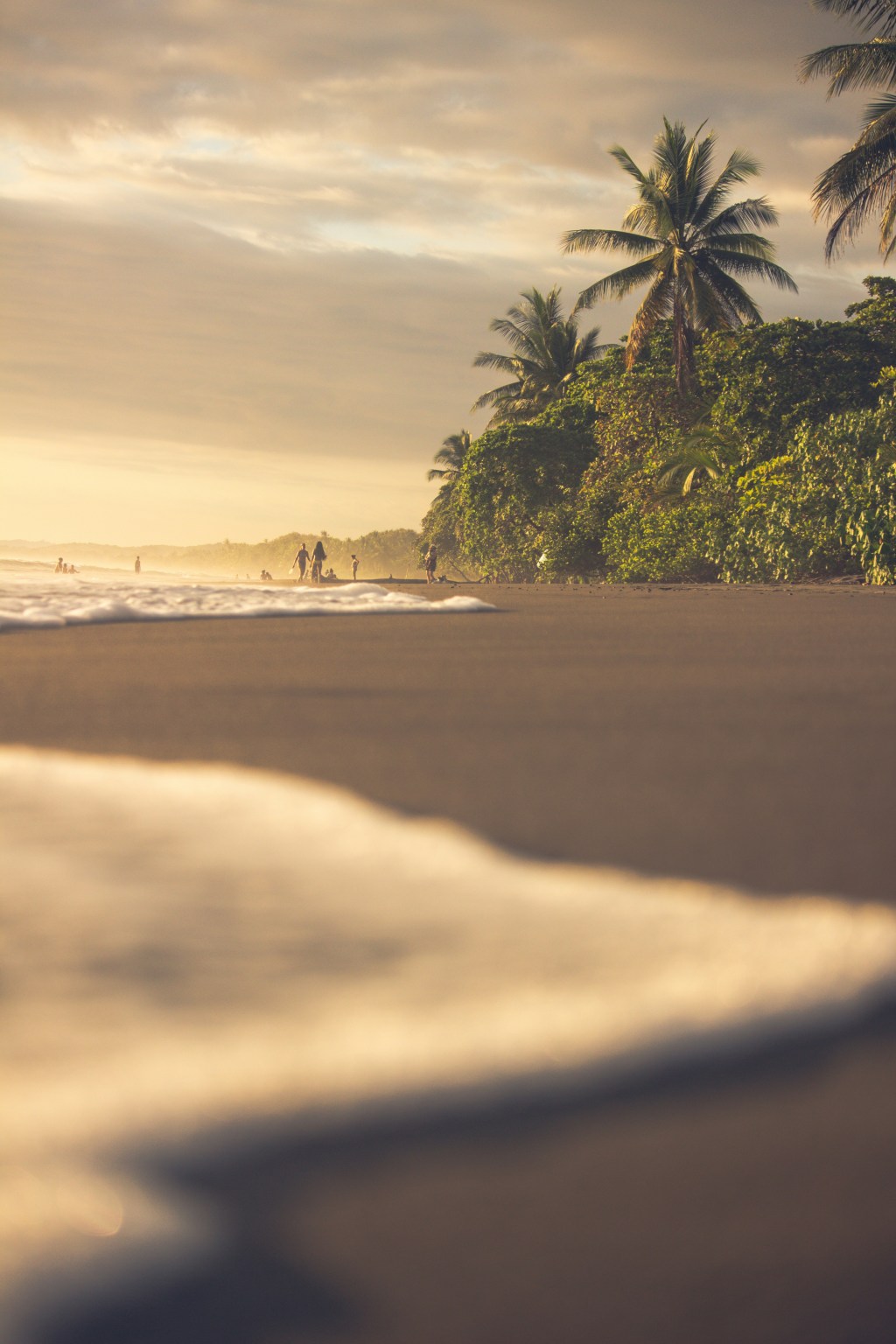
Costa Rica looks small on a map, but on the ground, it rarely feels that way.
Travelers often arrive expecting to experience multiple regions in a single trip (rainforest, volcano, cloud forest, coast) only to realize that terrain, travel times, and pace make that approach exhausting and, often, less meaningful.
The most impactful Costa Rica trips don’t try to see everything.
They choose one region and experience it fully.
The Pace Problem Most Travelers Underestimate
Planning Costa Rica isn’t just about understanding the geography. It’s about understanding how movement happens here.
Travel between regions takes time. Roads wind through mountains, rainforests slow transit, and weather shapes logistics in ways most itineraries don’t account for. A route that looks simple on a map can quickly become an entire travel day.
When trips are packed too tightly, something shifts:
- Wildlife encounters feel rushed
- Guided experiences become checklists
- Time in nature gets replaced by transportation
The result is movement without immersion.
And Costa Rica is built for immersion.
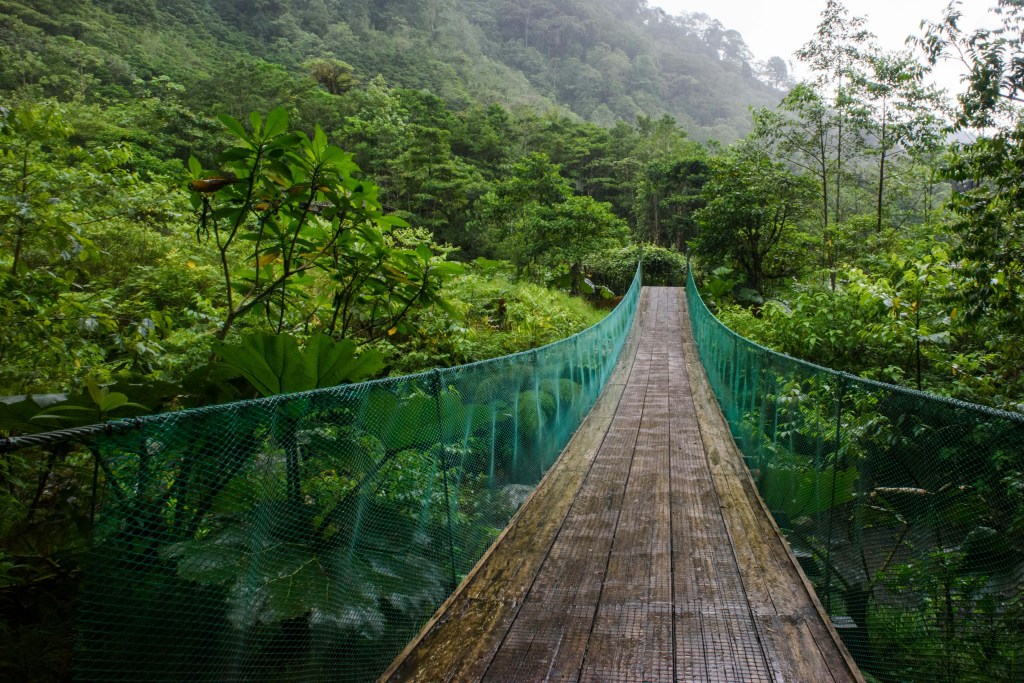
Why Choosing One Region Changes Everything
Focusing on a single region allows the experience to unfold differently.
You notice patterns: morning bird calls, afternoon rain cycles, nighttime forest sounds.
You build context: local guides, ecosystems, and community rhythms.
You move from just seeing Costa Rica…to actually being present in it.
This shift naturally supports responsible travel. Less movement reduces environmental strain, increases time spent in local economies, and allows for deeper engagement with the landscape.
A Simple Way To Think About The Major Regions
The hardest part of planning Costa Rica isn’t choosing activities; it’s deciding where to anchor your trip.
Each region offers a different relationship with nature.
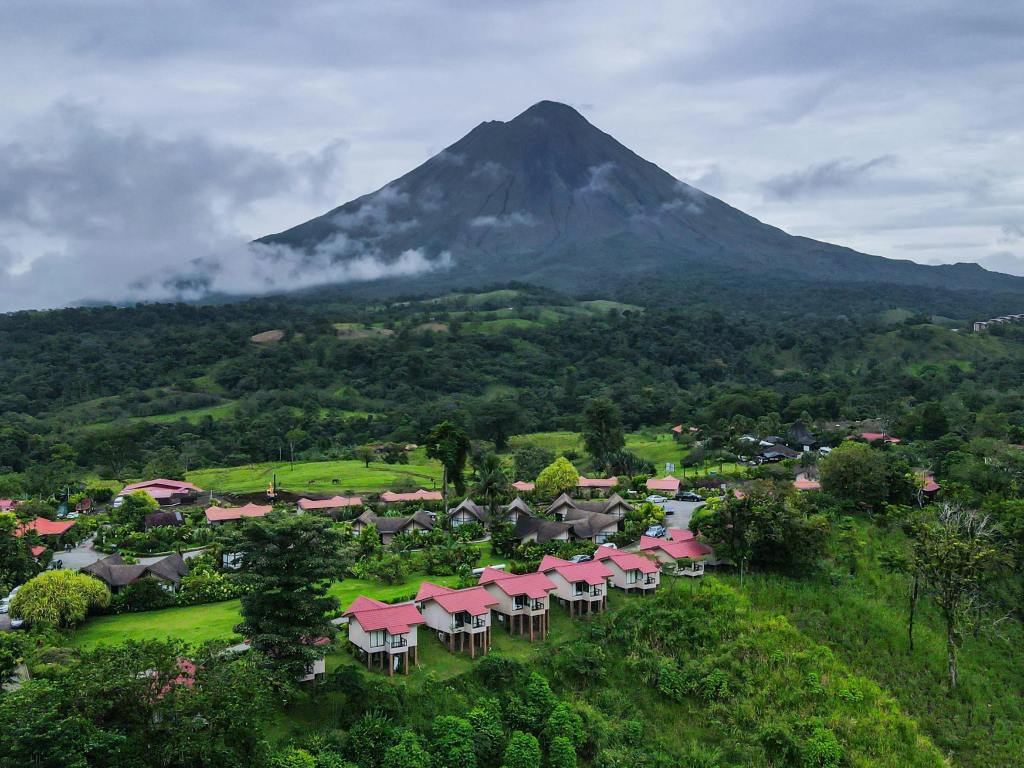
Arenal
Best for: First-time visitors or those who want a balance of comfort & adventure
Landscape: Volcano, rainforest, hot springs
Travel feel: Accessible, structured, well-developed tourism infrastructure
Tradeoff: More visitors, less remote
Monteverde
Best for: Biodiversity-focused travelers, slower pace
Landscape: Cloud forest ecosystems
Travel feel: Research-driven, conservation-oriented, cooler climate
Tradeoff: Travel access can be slower, and weather impacts visibility
Osa Peninsula
Best for: Wildlife immersion or experienced eco-travelers
Landscape: Dense rainforest, coastal ecosystems
Travel feel: Remote, biodiverse, less developed
Tradeoff: More logistics, higher cost, fewer amenities
Pacific Coast (varies widely by town)
Best for: Surfing, marine life, mix of relaxation & exploration
Landscape: Beaches, mangroves, marine ecosystems
Travel feel: Ranges from quiet eco-communities to developed resort areas
Tradeoff: Development pressure in some areas
The right choice isn’t about fitting everything into your schedule. It’s about aligning the kind of experience you want with the environment that already exists.
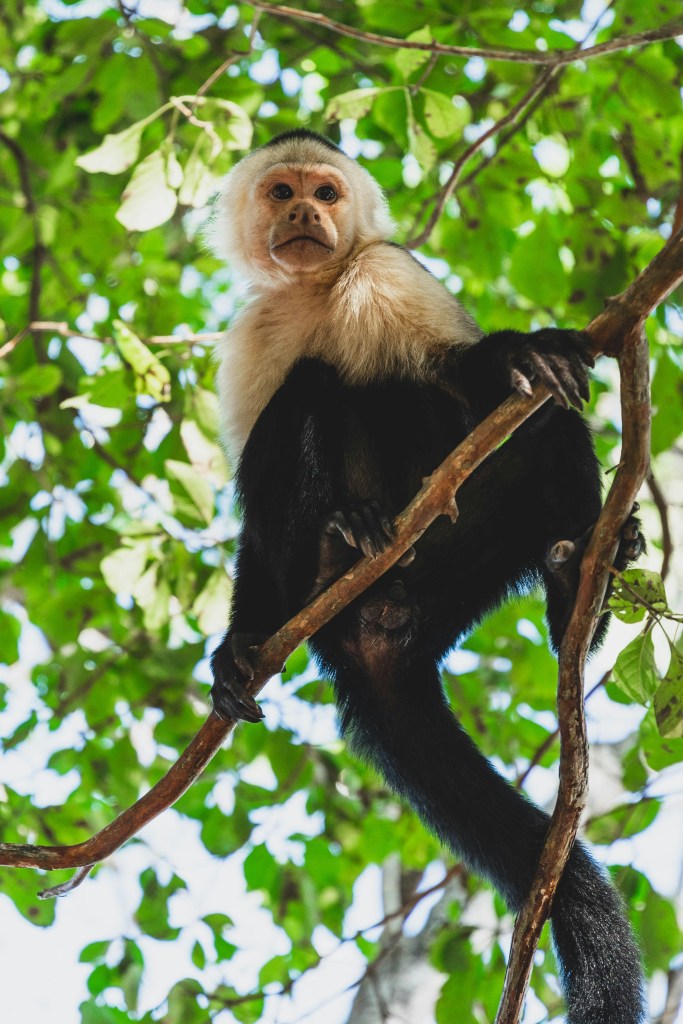
Wildlife Expectations vs Reality
Costa Rica is known for wildlife, but sightings are never guaranteed.
Animals move. Weather shifts behavior. Forest density limits visibility.
Trips built around “seeing everything” often lead to frustration. Trips built around experiencing ecosystems as they are lead to encounters that feel more natural and meaningful.
Wildlife tourism works best when it prioritizes habitat respect over proximity, and that begins during planning.
Choosing knowledgeable, conservation-minded guides can make a significant difference. Certified naturalists are trained not just to spot wildlife, but to interpret behavior, maintain safe distances, and protect the habitats they work within. Their role isn’t just to help travelers see more; it’s to ensure wildlife tourism supports conservation rather than disrupting it.
In many cases, the most responsible wildlife encounters are also the most rewarding: slower, quieter, and rooted in understanding rather than access.
Less Movement, Deeper Experiences
One of the most common planning mistakes is trying to layer too many experiences into a short trip.
The tradeoff isn’t just personal energy. It’s environmental impact.
More pressure on popular sites.
More transfers means more emissions.
More destinations means less time supporting local communities.
Slower trips naturally align with responsible travel:
- fewer logistics
- deeper engagement
- more mindful movement
Costa Rica rewards that kind of approach immensely.
So instead of asking “How much can I see?”
Try asking:
- Which ecosystems do I want to understand most?
- What pace is realistic for this trip?
- Where can I spend more time vs moving around more?
- Which experiences support conservation or local communities?
These questions shift planning from consumption to intention.
The Deeper Value Of Slowing Down
Costa Rica’s landscapes aren’t meant to be rushed through. They’re layered, alive, and constantly changing.
The most memorable moments rarely come from packed itineraries. They come from waiting quietly on a trail. returning to the same view twice, or staying long enough for a place to feel familiar.
Slowing down doesn’t limit the experience. It deepens it.
Closing Thought
Choosing the right region is one of the most important decisions when planning a trip to Costa Rica. And it shapes everything that follows, from pace to wildlife encounters to overall impact.
The best trips here aren’t achieved by seeing more places. They’re achieved by understanding one place more deeply and letting the experience unfold from there.
For those who want support planning a trip with this approach in mind, I’m always happy to help guide you through the process.


Leave a Reply