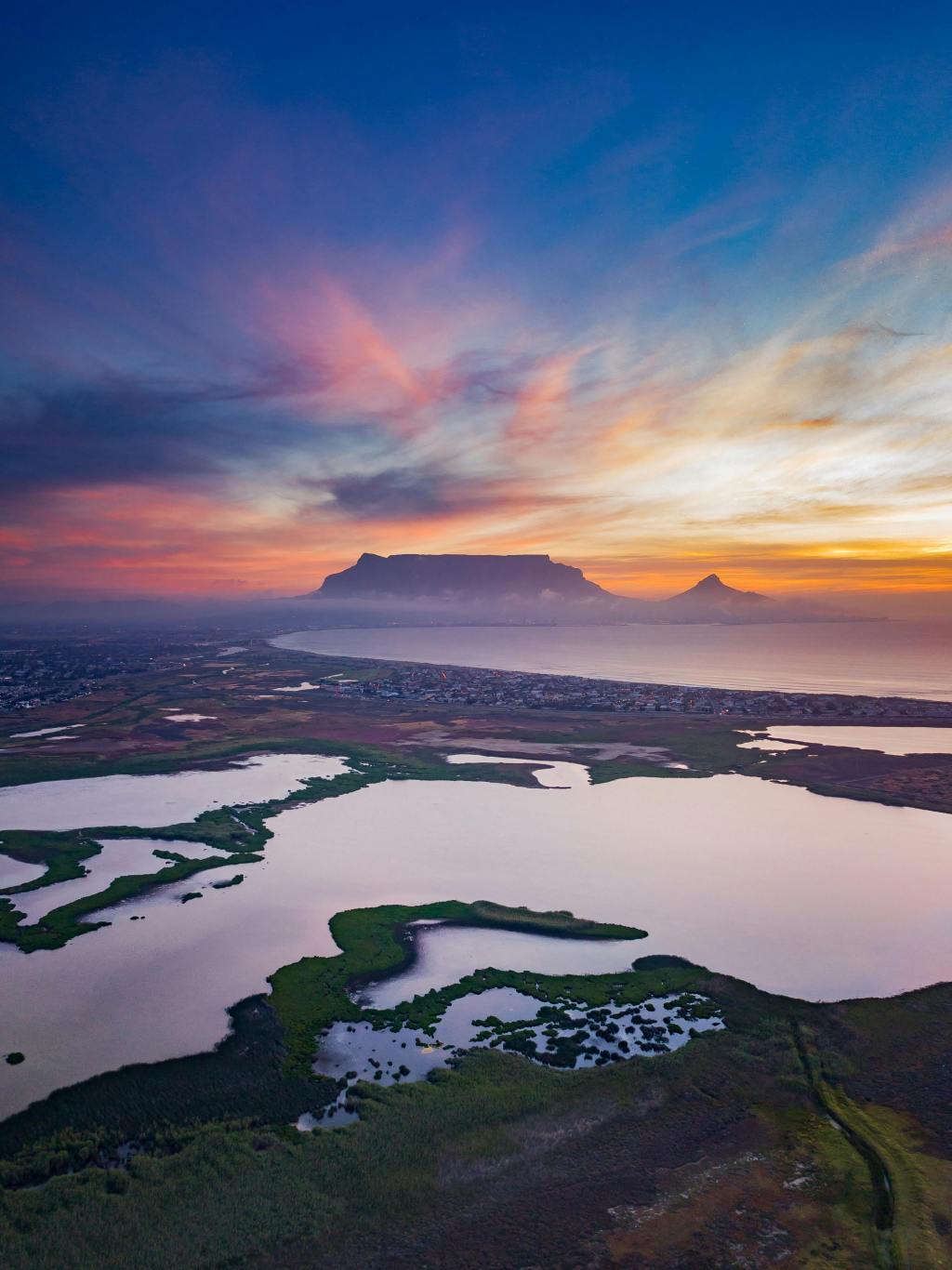
South Africa often enters the imagination through vivid visions of exotic wildlife. Lions lounging on open plains, elephants marching across the bush, the promise of a safari experience that feels both distant and immediate.
But before any of that, there is the land.
Wide horizons. Layered ecosystems. Regions shaped by water, migration, and time. The landscapes here don’t just hold wildlife. They determine where it survives, how it moves, and what protection they require.
Travelers arriving in South Africa step into that system, whether they realize it or not. Tourism isn’t separate from conservation here. It helps fund protected areas, supports research and anti-poaching efforts, and shapes how the land and wildlife are managed. At the same time, it brings pressure, expectations, and constant decision-making about what responsible access looks like.
It’s a balance. One that travelers become a part of the moment they choose how, where, and why they visit South Africa.
Tourism As a Conservation Engine
Wildlife tourism in South Africa exists for a reason beyond the experience. Protected land and species require sustained funding, infrastructure, and monitoring.
Conservation operates through systems that are often invisible to visitors. Scientific teams track species movement and habitat health. Veterinary units manage disease risk and wildlife translocation. Rangers and operational staff protect ecosystems across vast areas of land and ocean. Park management decisions are shaped by ongoing research, data collection, and collaboration between institutions and communities.
Protection is active, not static.
Habitats must be maintained. Populations monitored. Infrastructure built and repaired. Anti-poaching efforts coordinated. Coastal and marine zones must remain regulated. Each element requires resources, staffing, and long-term planning.
Tourism becomes one of the mechanisms that makes this possible, not as an add-on, but as a structural component of how conservation is funded and sustained.
Ethical Safari Literacy
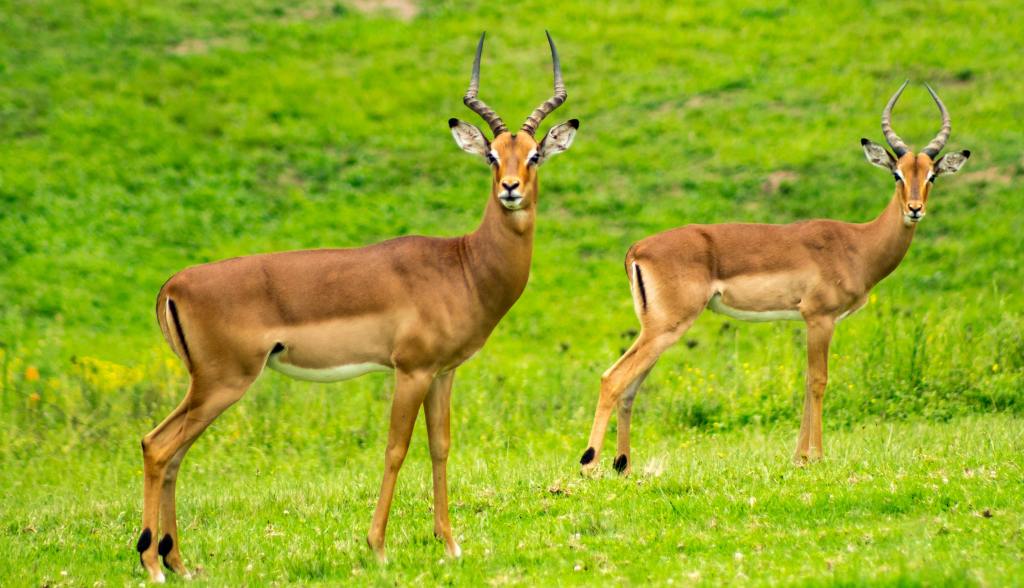
For many visitors, a safari is the entry point into the system. But the language around wildlife experiences can obscure how varied these spaces actually are.
Observation is not the same as interaction.
Conservation is not the same as entertainment.
Protected parks, private reserves, and wildlife sanctuaries each operate under different models, goals, and constraints.
Wild animals behave unpredictably. Landscapes dictate movement. Sightings depend on patience, habitat, and timing. There are no guarantees.
Understanding this changes how travel is experienced. The focus shifts from proximity to awareness. From expectation to observation. From just “seeing animals” to witnessing ecosystems at work.
Landscape Before Wildlife
Wildlife does not exist apart from its environment.
Savannah systems support migratory herbivores and the predators that follow them. Bushveld regions provide dense habitat and seasonal variability. Coastal ecosystems link terrestrial life with marine systems through estuaries, wetlands, and nutrient flow. Biodiversity corridors connect fragmented habitats, allowing species to move and adapt over time.
South Africa’s conservation story extends beyond inland safari landscapes.
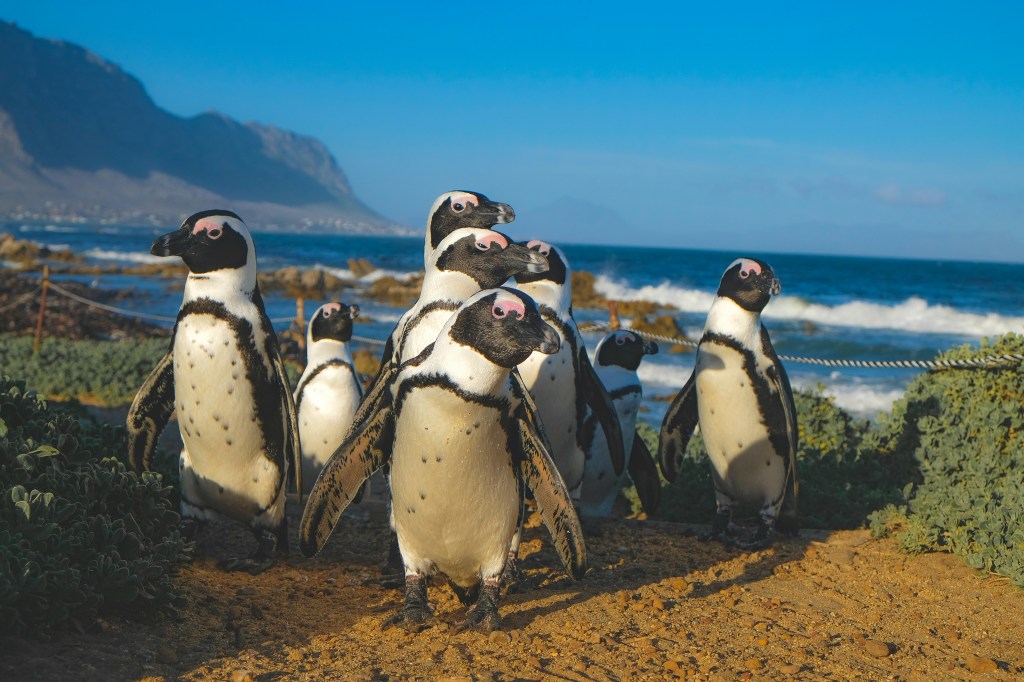
Marine protected areas safeguard coastal ecosystems and threatened species while supporting fisheries and long-term ecological resilience. The Cape Floristic Region holds one of the world’s richest concentrations of plant biodiversity, shaped by fire cycles and Mediterranean climate. Arid biomes like the Succulent Karoo support thousands of endemic species adapted to extreme conditions. Wetland systems, mountain parks, and transboundary landscapes protect migration routes, water systems, and cultural heritage, simultaneously.
The destination, then, is not defined by animals alone.
It is defined by living systems; interconnected, adaptive, and constantly changing.
People as Part of the System
Conservation here does not happen in isolation.
National parks and protected areas are embedded in social and economic landscapes. Tourism creates employment, supports local entrepreneurship, and shapes infrastructure development. Wildlife economy initiatives integrate communal land, support emerging landowners, and expand participation in conservation-related industries.
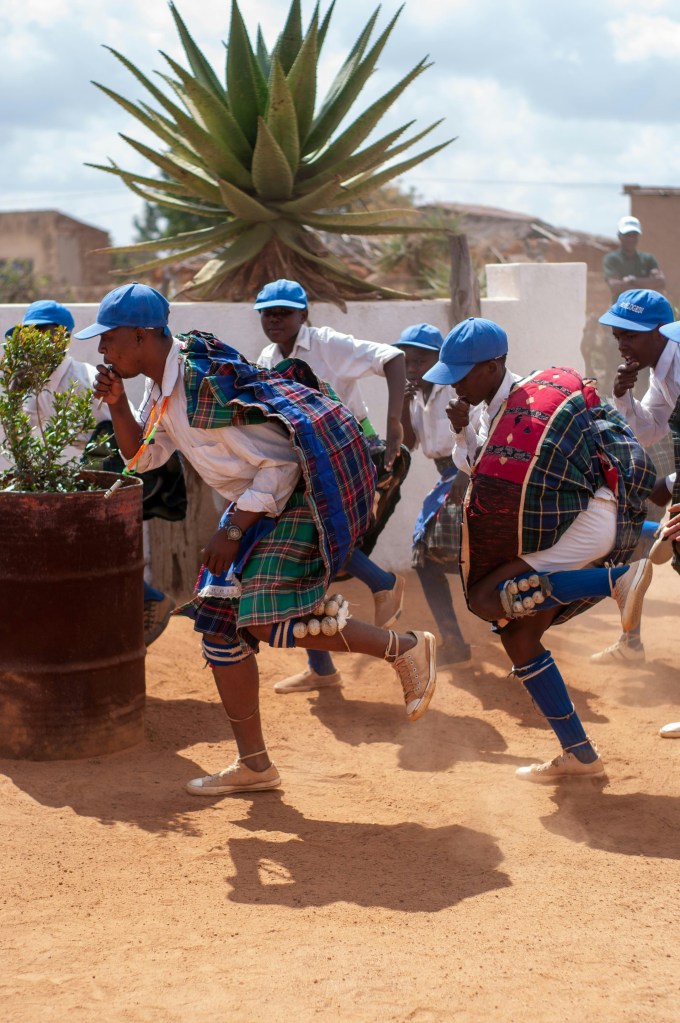
Local knowledge, cultural practices, and long-standing relationships with land and resources remain part of how conservation evolves. In many areas, conservation planning involves negotiation, compromise, and ongoing collaboration between communities, scientists, policymakers, and industry.
The result is not a fixed model but a living one.
The Tension
Tourism protects, but tourism also pressures.
It funds research and protection while increasing the demand for access. It creates jobs and opportunities while influencing land use and development. It supports habitat preservation while introducing expectations about experience and visibility.
Conservation, in this context, is not simple. Ethics exist on a spectrum. Decisions involve tradeoffs.
There is no single formula for balance. Only continuous adjustment, guided by ecology, economics, and human priorities.
The Traveler’s Role
Visitors enter this system through choice.
Where they stay.
Who they travel with.
How they move through the landscape.
What they expect to see.
And how they respond when they don’t.
Awareness shapes experience. Planning influences impact. Curiosity often leads to deeper engagement than consumption ever could.
Places like this don’t ask for perfection from travelers, just attention. A willingness to notice the systems already in motion.
And when planning begins from that place, the experience becomes something different. Not a checklist of sightings, but an encounter with how conservation, culture, and landscape intersect; and the role tourism quietly plays within it.
Next, we’ll move into the planning side of the journey, where place, pace, and intention begin to matter more than sightings.


Leave a Reply