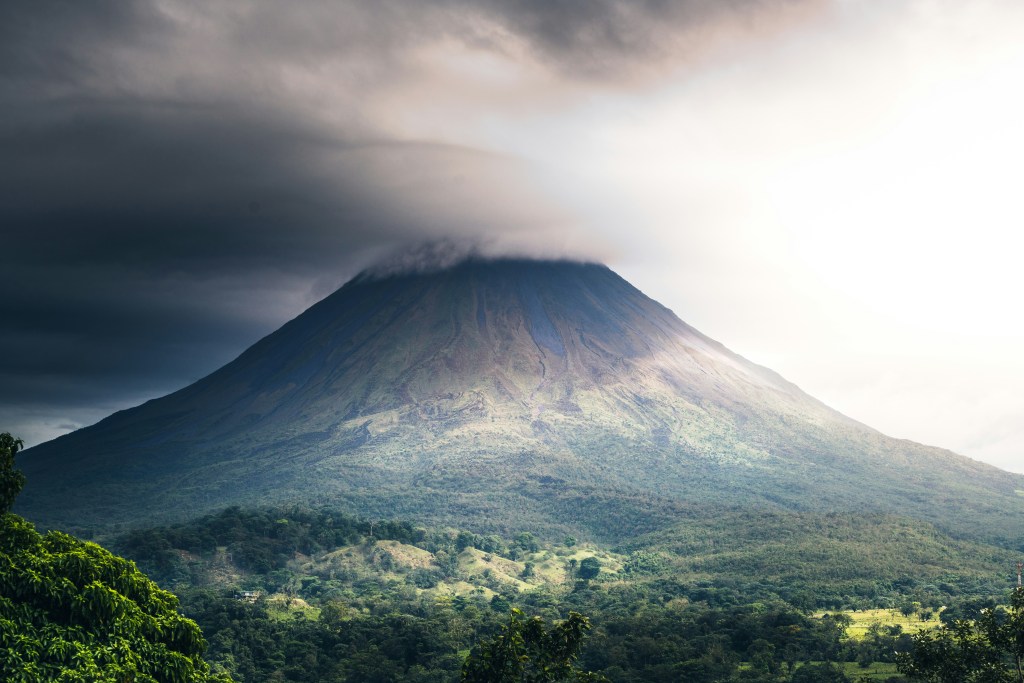
Costa Rica’s reputation as a global leader in eco-tourism didn’t happen by accident. It’s the result of decades of conservation-first policies, economic strategy, and a national decision to treat nature as something worth protecting before it was ever something to be marketed.
Long before sustainability became a travel buzzword, the country prioritized protected land, invested in environmental recovery, and built and economy tied to the health of its ecosystems. Tourism followed that foundation; it didn’t create it. Roughly a quarter of Costa Rica’s land is protected, with some estimates as high as 28%. That’s one of the highest ratios in the world.
That foundation shapes everything that has followed, including the successes and the tensions within Costa Rica’s eco-tourism model. Because while eco-tourism in Costa Rica is often held up as a success story, it’s also a complex system built on tradeoffs and constant recalibration.
Where Conservation and Tourism Meet
In Costa Rica, conservation and tourism aren’t competing forces, they’re intertwined.
National parks, biodiversity corridors, and protected rainforests don’t just preserve ecosystems; they shape the tourism experience itself. Wildlife viewing, guided hikes, canopy exploration, and eco-lodges all rely on ecosystems remaining intact.
This creates a powerful feedback loop. Nature holds economic value because it remains protected. Tourism revenue supports conservation infrastructure, research, and community livelihoods. In turn, conservation strengthens the very experiences travelers come for.
But the relationship only works when all parties, including tourists, remain engaged.
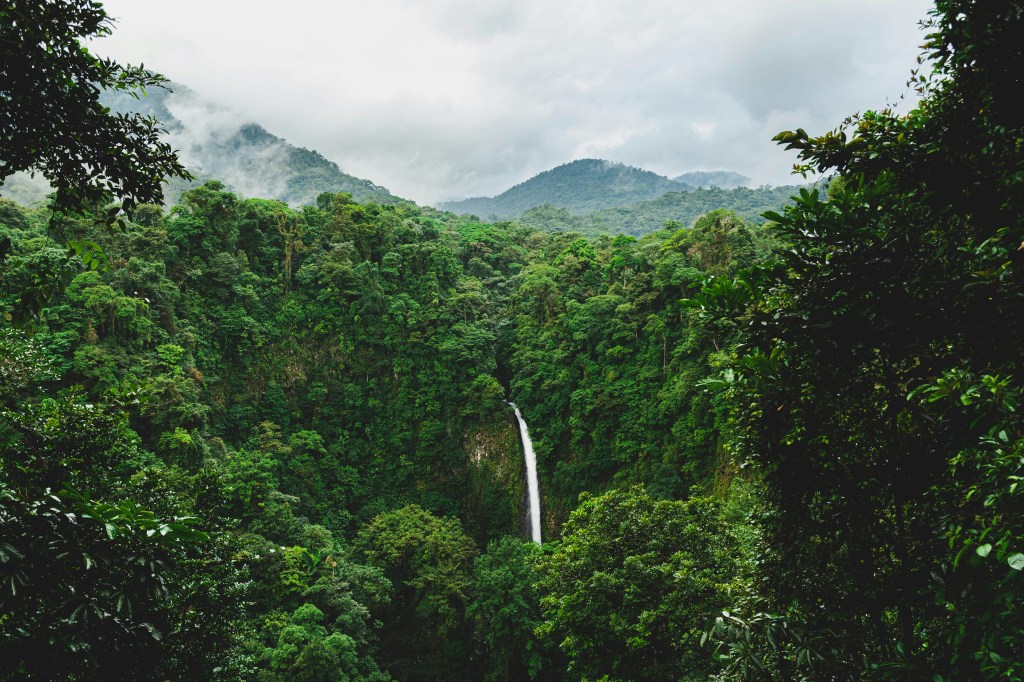
Policy Built The Model
Costa Rica’s eco-tourism leadership is rooted in policy, not branding.
Large portions of land were protected before tourism was scaled. Programs were introduced to financially reward landowners for conservation efforts. Costa Rica even pays landowners to keep forests standing through its Payment for Ecosystem Services program. Renewable energy investments and land-use decisions reinforced a national identity centered on environmental stewardship. Certification systems were developed to guide tourism operators toward measurable sustainability practices.
These weren’t aesthetic choices. They were structural ones; decisions that positioned nature as infrastructure rather than scenery.
And they shaped how tourism developed in Costa Rica.
Eco-Lodges: Where Sustainability Is Real and Where It’s Marketed
Eco-lodges are often seen as the face of responsible travel in Costa Rica, but the reality is more layered.
Some properties operate with deeply integrated sustainability practices: managing energy and water use, protecting surrounding habitats, supporting local employment, and participating in conservation initiatives.
Others lean more heavily on the language of sustainability than the systems behind it.
As eco-tourism grows in popularity, the line between genuinely low-impact operations and marketing-driven “eco” branding becomes harder for travelers to recognize. The country has developed a national certification system to evaluate tourism businesses on measurable sustainability practices, but interpretation and implementation still vary.
Leadership attracts attention, and attention attracts imitation. That’s why careful vetting of eco-lodges still matters.

Where Tourism Pressure Still Exists
Costa Rica’s success hasn’t eliminated strain. In fact, in some places, it has intensified it.
Heavily visited parks face crowding and infrastructure pressure. Some of the most popular destinations, like Manuel Antonio National Park, receive hundreds of thousands of visitors each year, creating real pressure on ecosystems. Wildlife encounters can shift from respectful observation to disruption when tour volume increases. Coastal areas balance development demand with environmental protection. Small communities navigate rising costs tied to tourism popularity.
These realities don’t erase the country’s conservation leadership. They highlight the ongoing work required to maintain it.
Eco-tourism isn’t a fixed achievement. It’s an active process.
The Central Tradeoff
At its core, Costa Rica’s model operates within a delicate cycle:
Tourism supports conservation. Conservation attracts tourism.
In fact, a majority of visitors come specifically for the natural environment, with many visiting multiple protected areas during their trip. And tourism now accounts for roughly eight percent of Costa Rica’s economy. But tourism also introduces strain: more movement, more infrastructure, more demand placed on fragile ecosystems.
The outcome depends on whether visitation strengthens the systems protecting nature or begins to erode them.
That balance is shaped not just by policy, but by operator standards, community participation, and traveler behavior.
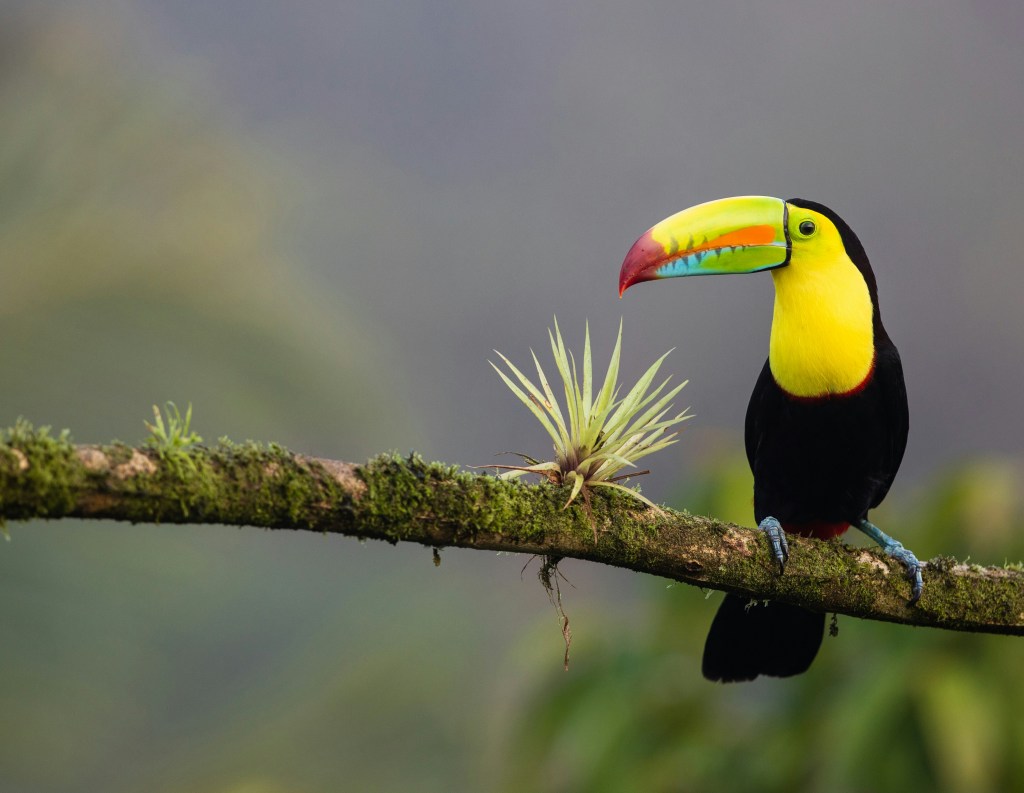
What This Means For Travelers
Visiting Costa Rica isn’t a neutral act.
Where you stay, how you move between regions, which tours you choose, and how you engage with wildlife all influence the real impact of tourism on the ground.
Responsible travel here isn’t about perfection. It’s about awareness.
Choosing fewer regions rather than trying to see everything. Supporting businesses rooted in conservation. Moving at the pace of the landscape instead of the pace of a checklist.
Costa Rica shows what’s possible when a country treats conservation as a national priority. It also shows how fragile that balance can be.
Eco-tourism works here because policy, communities, and travelers all play a role.
The question isn’t whether Costa Rica is sustainable.
It’s whether how we choose to experience it helps keep it that way.
Next, we’ll shift to what this means for planning a trip to Costa Rica, and why where you go matters more than how much you see.



Leave a Reply