
When it comes to responsible travel, how you plan a trip shapes it just as much as where you decide to go. Belize is often described as an eco-tourism success story, but that reputation only holds up if visitors engage with it thoughtfully.
This guide is meant to be a practical companion to my earlier Belize overview. It’s less about inspiration and more about execution. Rather than listing everything Belize has to offer, I will focus on planning a trip that respects the country’s conservation efforts, cultural heritage, and natural limits, using the Cayo District as a base.
Who the Cayo District Is Best For
The Cayo District appeals most to travelers who value depth over density.
It’s well suited for:
- Adventure-leaning travelers comfortable with active days and early starts
- Nature lovers interested in rainforests, rivers, wildlife, and archaeology
- Travelers who prefer slower pacing and intentional itineraries rather than packed schedules
Cayo rewards patience. Those expecting constant nightlife or resort-style convenience may find the experience underwhelming. But those willing to move at the land’s pace often leave with a lasting connection to it.
Getting There and Getting Around
Most travelers base themselves in San Ignacio, a small but well-connected town that serves as the gateway to western Belize.
From a planning perspective, one early decision matters more than most: guided travel versus self-driving.
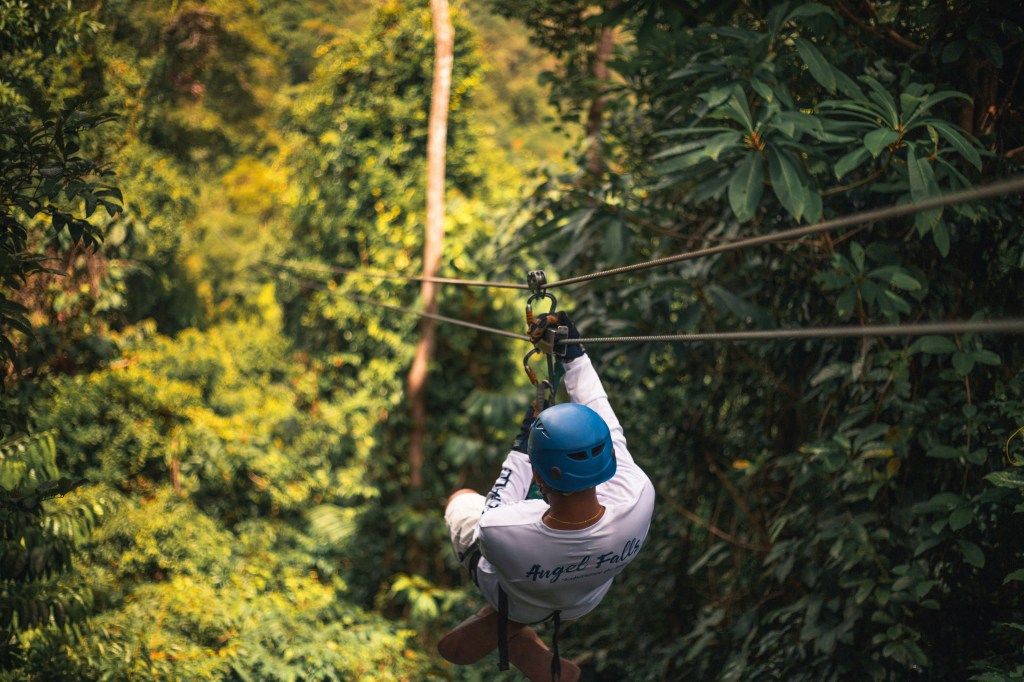
While Belize allows independent exploration, many of Cayo’s most meaningful experiences (caves, wildlife reserves, and archaeological sites) are better accessed with licensed guides. This isn’t simply about convenience. Guided travel supports conservation rules, improves safety, and ensures that sensitive areas are interpreted and protected correctly.
In regions like Cayo, guidance isn’t a luxury add-on; it’s part of responsible exploration.
What Makes an Eco-Lodge Truly Sustainable
Choosing where you stay has an outsized impact on how your trip affects the region. A truly sustainable lodge does more than reuse towels or advertise itself as “green”.
Key indicators of meaningful sustainability include:
- Energy and water conservation systems
- Employment and training of local staff
- Responsible land use and wildlife protection
- Direct engagement with nearby communities
Two long-standing examples in the Cayo District illustrate these principles well:
- Chaa Creek
Operating within a protected nature reserve, Chaa Creek integrates conservation, cultural education, and small-scale agriculture into its operations. Its model emphasizes long-term stewardship over expansion.
- Black Rock Lodge
Located along the Macal River, Black Rock Lodge focuses on low-impact design, renewable energy, and guided nature experiences that prioritize education and preservation.
For broader research, directories like Eco-TropicalResorts can help travelers compare eco-lodges across Belize using consistent sustainability criteria rather than marketing language.
ATM Cave: Why Regulation Matters
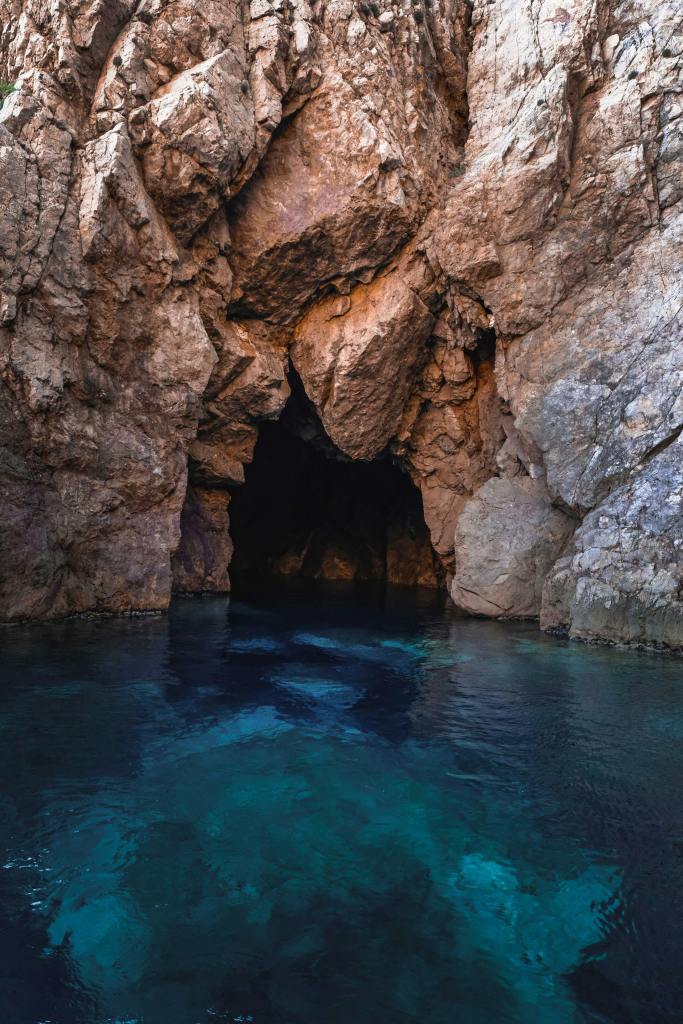
Few experiences in Belize demonstrate the importance of regulation as clearly as Actun Tunichil Muknal Cave, commonly known as ATM Cave.
ATM is accessible only with licensed guides, and for good reason. The cave contains intact Maya artifacts, ceremonial spaces, and human remains that are both archaeologically significant and physically fragile. Regulations (including limits on group size, mandatory guides, and strict behavior rules) exist to protect both visitors and the site itself.
From a planning standpoint, this means:
- Booking guided tours in advance
- Understanding physical demands before committing
- Accepting restrictions as part of preservation, not an inconvenience
ATM serves as a useful reminder: access is a privilege, not a guarantee, and responsible tourism often means fewer choices.
Pacing Your Trip: Why Less Often Means More
One of the most common planning mistakes in Belize is trying to do too much, too quickly. Cayo’s geography, climate, and terrain make rushed itineraries exhausting and often counterproductive.
Fewer activities allow for:
- Better engagement with guides and communities
- Safer travel conditions
- Time to observe wildlife and landscapes rather than just pass through them
Belize is not a destination that benefits from over-optimization. In many cases, one meaningful experience per day is enough.
Final Planning Notes
A few practical considerations can help set expectations and prevent avoidable issues:
- Seasonality: Weather affects road conditions, river levels, and accessibility. Build flexibility into plans rather than having rigid schedules.
- What to book early: Eco-lodges and regulated experiences like ATM often have limited availability. Early planning supports better outcomes for both travelers and operators.
- Ethical Reminders:
- Choose operators who follow conservation guidelines
- Respect wildlife boundaries
- Follow the Leave No Trace principle consistently
Responsible travel in Belize doesn’t require perfection. It requires attention, restraint, and informed choices.
Closing Thought
Belize’s reputation for sustainability is the result of deliberate policies, community involvement, and visitor cooperation over time. The Cayo District offers a clear opportunity to engage with that system thoughtfully, not by doing everything, but by doing a few things well.
Planning with care doesn’t limit the experience. It deepens it.
For those who want support planning a trip with this approach in mind, I’m always happy to help guide you through the process.


Leave a Reply