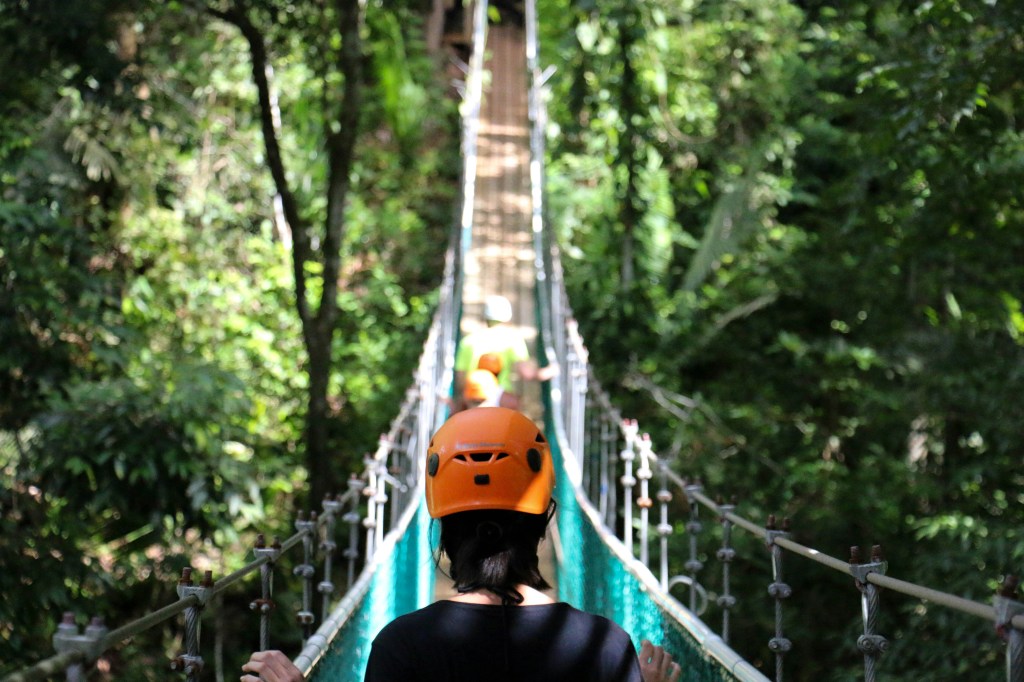
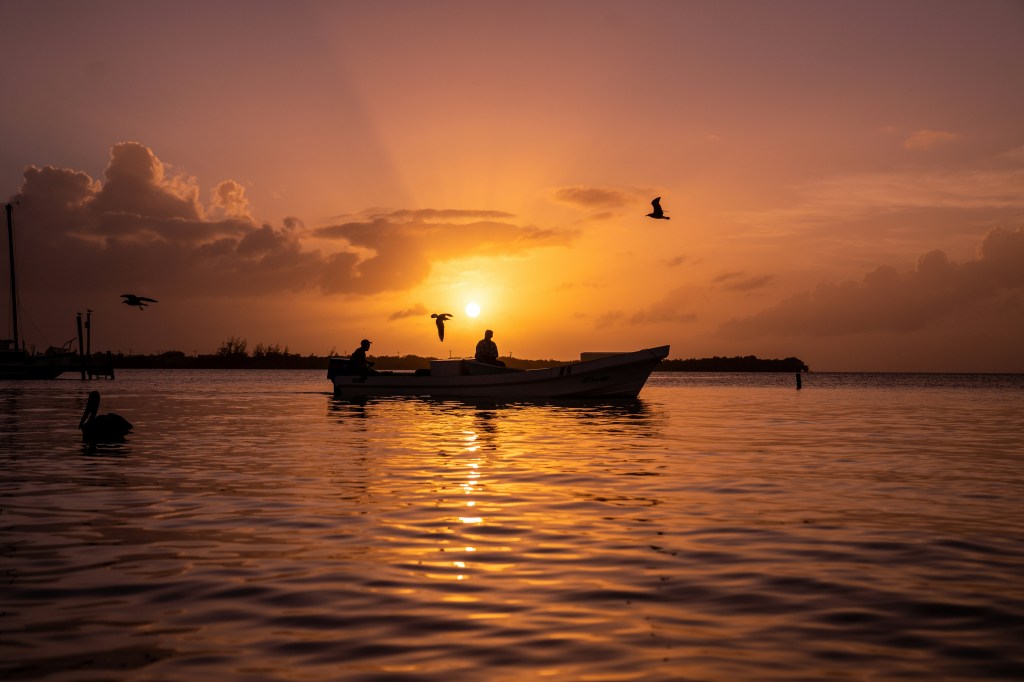
Nothing in Belize feels separate; jungle and village, reef and daily life, travel and responsibility all coexist.
Dense jungle stretches toward ancient Maya ruins. Rivers carve their way through caves shaped over centuries. Coral reefs and mangrove forests protect life both above and below the water’s surface. Everywhere you look, nature and history are not separate stories; they are deeply intertwined.
Small in size but immense in biodiversity, Belize offers something rare: a destination where adventure, culture, and conservation genuinely work together. For travelers who want experiences with meaning (not just aesthetic scenery), Belize stands out as one of the most accessible and intentional eco-focused destinations in Central America.
A Natural Home for Eco-Tourism
At its core, eco-tourism in Belize is about responsible travel: protecting the environment, preserving culture, and ensuring tourism benefits local communities. This philosophy isn’t an afterthought here, and that’s evident in how the country protects its land, supports its people, and welcomes visitors.
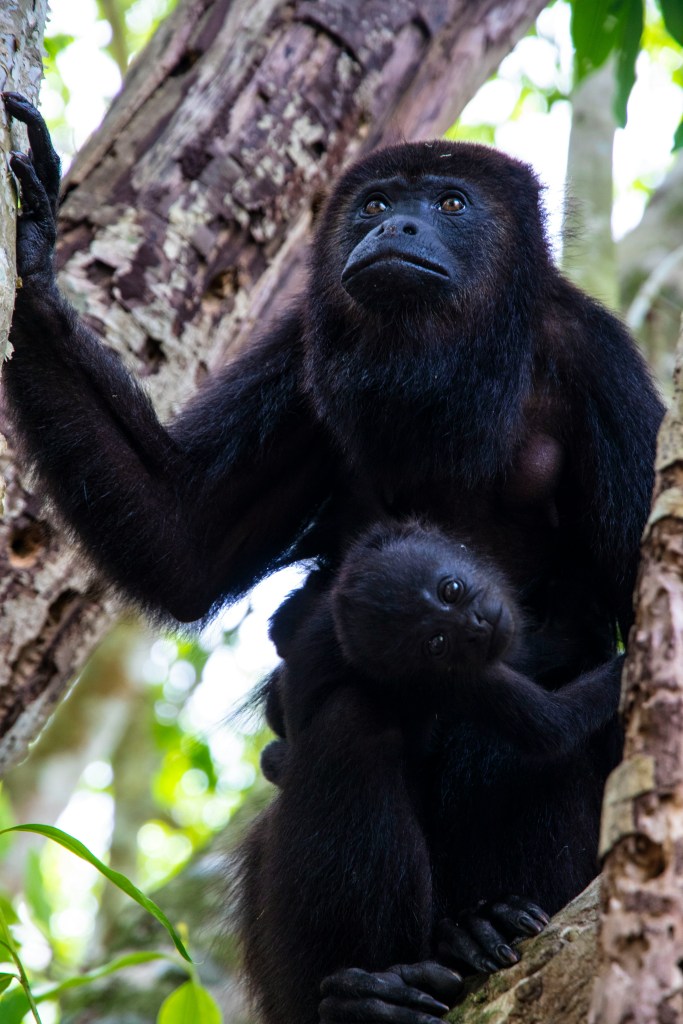
Belize is home to lush rainforests, expansive coastlines, wetlands, and marine ecosystems that support thousands of plant and animal species, many of which are endemic. National parks, wildlife sanctuaries, and protected areas now cover more than a third of the country’s landmass, safeguarding vital habitats for jaguars, tapirs, howler monkeys, turtles, crocodiles, and over 500 species of birds.
Rather than limiting access, Belize has embraced, managed, and regulated tourism to ensure visitors can experience these landscapes without compromising what makes them special.
Conservation as a Longstanding Commitment
What makes Belize particularly compelling is that it recognized the importance of preservation early on. Long before sustainable travel became a global trend, Belize was already taking meaningful steps to protect its natural resources.
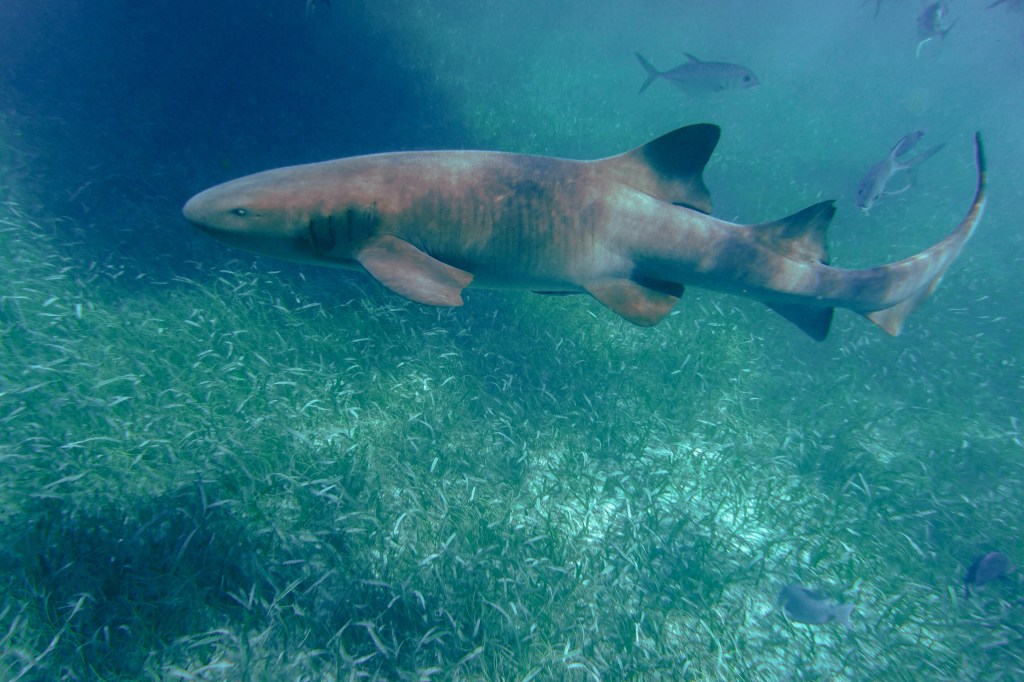
In recent years, the country banned offshore oil drilling and phased out single-use plastics, reinforcing a national commitment to environmental stewardship. Along the coast, the Belize Barrier Reef, part of the Mesoamerican Barrier Reef System and the second-largest living barrier reef in the world, remains a UNESCO-recognized site of global importance, protected through conservation partnerships and marine regulations.
Moving inland, forests and jungles form part of the Maya Forest Corridor, the most extensive remaining stretch of continuous tropical forest in Central America. These protected areas aren’t just scenic. They are essential for biodiversity, climate resilience, and the long-term health of the region.
Wildlife Encounters Done Responsibly
Belize offers extraordinary opportunities to witness wildlife in its natural environment, but always with an emphasis on respect.
Guided experiences through protected areas help ensure minimal impact, while “no feeding” and “no touching” principles are widely upheld. Sanctuaries like Crooked Tree Wildlife Sanctuary protect critical wetlands and serve as a haven for birdlife, including the iconic jabiru stork. Meanwhile, forest reserves support healthy populations of jaguars and Baird’s tapirs, Belize’s national animal.
These encounters are powerful not because they guarantee sightings, but because they prioritize preservation over performance, allowing nature to remain wild.
Where Culture Is Written Into the Landscape
Belize’s conservation story cannot be separated from its people. The country is shaped by a diverse mix of Creole, Mestizo, Maya, Garifuna, and Mennonite communities, each contributing to the country’s identity and its relationship with the land.
Community-based tourism plays a meaningful role here. Travelers are invited not just to observe culture, but to engage with it by learning traditional Maya weaving techniques, visiting cacao farms that trace their roots back centuries, participating in cooking workshops, or supporting women-led cooperatives that preserve heritage while funding education and opportunity.
These experiences foster pride, ownership, and economic resilience within communities, ensuring tourism supports people as much as it does preservation.
Living Garifuna Heritage
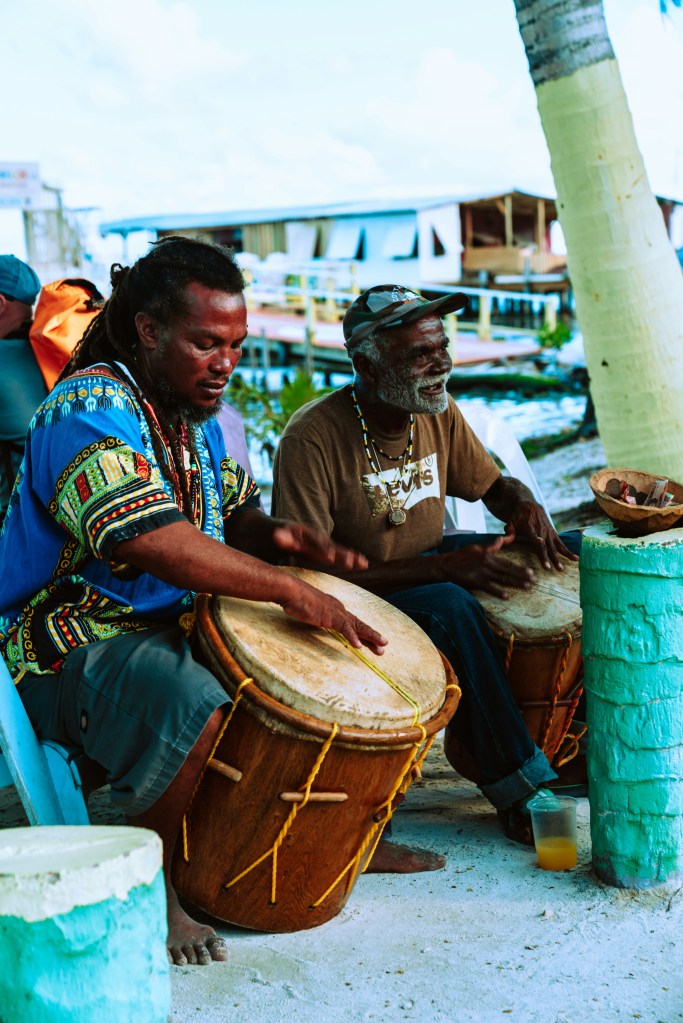
Along Belize’s coast, Garifuna communities offer one of the country’s most vibrant cultural experiences. Music, dance, and storytelling remain living expressions of identity in places like Dangriga, Hopkins, Seine Bight, Punta Gorda, and Barranco.
Garifuna culture has been recognized by UNESCO as a Masterpiece of the Oral and Intangible Heritage of Humanity, honoring traditions that continue to thrive today. Visitors may encounter Punta dancing, drumming, and communal celebrations, not as performances for tourists, but as shared cultural moments rooted in history and continuity.
A Country Designed for Conscious Journeys
From jungle lodges tucked deep in forest reserves to marine-friendly beachfront stays, eco-friendly accommodations can be found throughout Belize. Sustainability isn’t limited to one region or travel style here. It’s part of their broader ethos.
With clear regulations, conservation partnerships, and a strong emphasis on responsible tourism practices, Belize makes it easier than ever to travel thoughtfully, without sacrificing adventure.
Where Thoughtful Travel Finds Its Place
Belize proves that meaningful travel doesn’t require compromises. Here, preservation and exploration coexist. Culture is living, not staged. Wildlife is protected, not exploited. And visitors are invited to participate responsibly, rather than passively consume experiences.
For travelers seeking authenticity, intention, and connection, Belize offers something unforgettable: a chance to explore the world while protecting what matters.
Next, we’ll take a practical look at what planning a journey like this actually involves — from eco-lodges and pacing to regulated adventures that respect both culture and conservation.


Leave a Reply