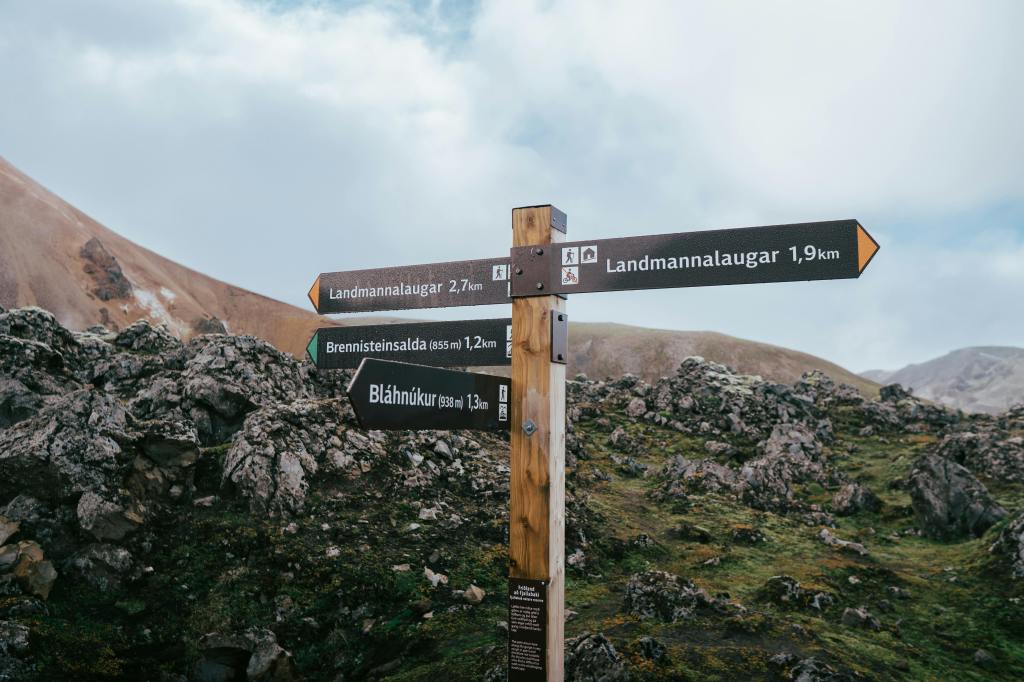
Iceland is the kind of place that looks impossible in photographs.
Glaciers that glow blue from within. Valleys that steam like something sleeping beneath the earth. Black lava fields softened by moss. Looking at it from afar, it’s easy to assume Iceland is a spectacle built for travelers.
But Iceland is not a stage.
It is a living landscape; restless, changing, and indifferent to what you hoped your trip would look like. That is exactly why planning matters here more than almost anywhere else.
This guide is here to help you explore Iceland responsibly, without rushing, without forcing the experience, and without ending up in situations you weren’t prepared to handle.
Because Iceland doesn’t punish curiosity. It punishes carelessness.
For travelers who want something quick and practical to reference while planning, I also created a printable Seasonal Access Guide to go along with this post.
The Most Important Rule: Iceland Is Seasonal
One of the biggest mistakes travelers make in Iceland is assuming everything is available year-round.
In reality, Iceland runs on weather windows.
Some experiences are winter only. Some experiences are summer only. And trying to force the wrong adventure in the wrong season is where trips start to unravel.
In general:
- Ice caves are primarily a winter experience, when conditions are cold and stable enough for guided visits
- The Highlands are primarily a summer experience, when mountain roads open and remote routes become more accessible
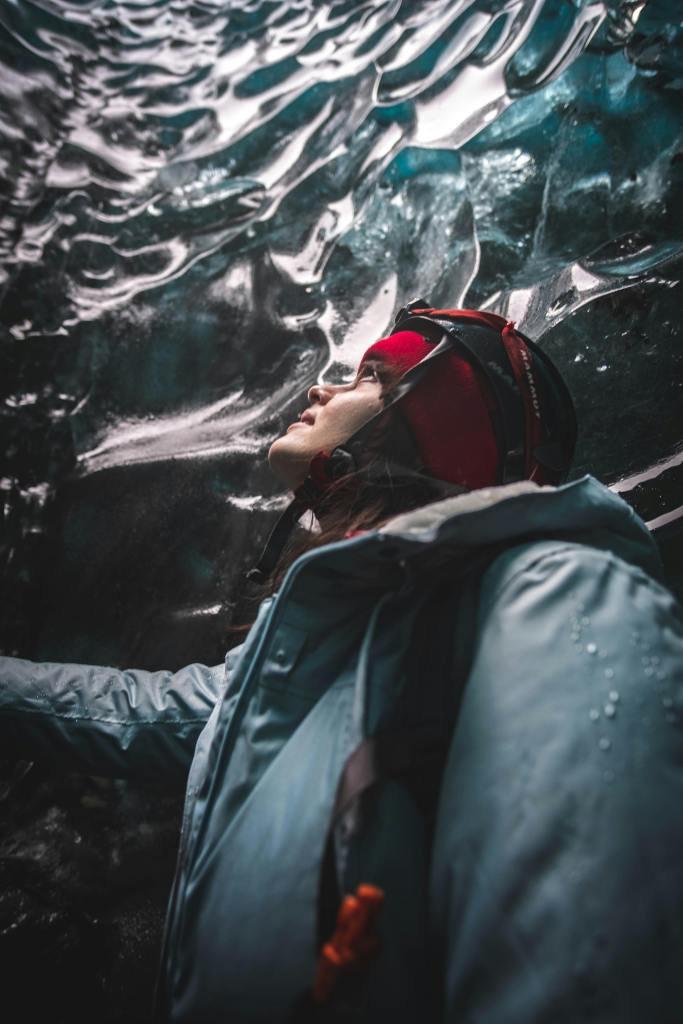
Ice Caves: Beautiful But Temporary
Ice caves are not permanent attractions. They form, shift, and then disappear.
They exist because of a fragile balance: freezing temperatures, meltwater movement, and the unique microclimate inside each cave system. Some develop through airflow patterns and have multiple connected passages. Others form through layers of snow accumulation and compression, creating textures that resemble glacial ice.
This is why ice caves can look different even within the same season:
- Ice forms in different ways (vapor or snow compression)
- Colors and shades shift based on minerals, sediment, and other environmental materials collected in the snow
- Conditions can change quickly near the edges of the season
And because Iceland is Iceland, the risks are real.
Certain caves, especially smaller “cold traps”, can build up dangerous concentrations of gases like carbon dioxide. In volcanic areas, conditions can be even more unpredictable. Collapse risk, unstable ice, and sudden temperature shifts are not just dramatic exaggerations. They are the reason you should never treat ice caves like a casual stop.
Responsible ice cave experiences are booked with certified guides who:
- Provide proper safety equipment
- Monitor conditions daily
- Understand which caves are safe, right now
- Make decisions based on risk, not hype
The goal isn’t just to see an ice cave.
The goal is to leave it untouched, and to leave safely.
The Highlands: Remote Beauty With Real Consequences
The Icelandic Highlands are breathtaking in a way that feels almost unreal.
They are also unyielding.
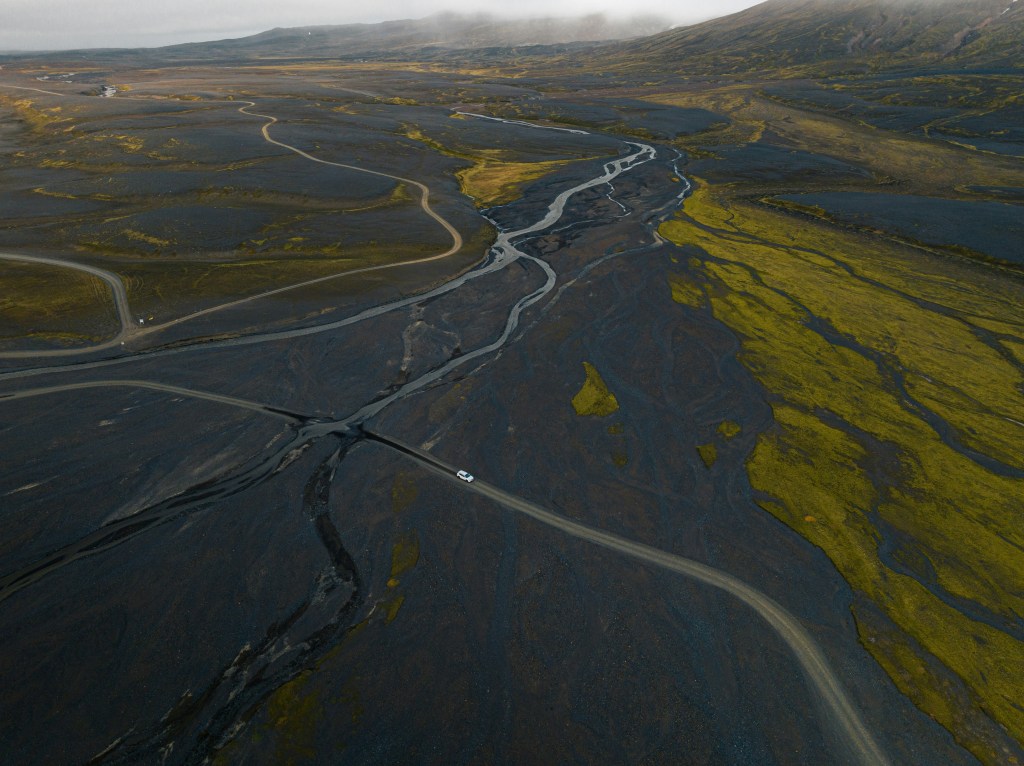
This upland interior covers a large portion of the country and remains closed off for much of the year due to weather and road conditions. Even when the season opens, travel in the Highlands requires more than enthusiasm. It requires realism.
Many Highland routes depend on mountain roads (often called F-roads) that generally open around June or July and close by mid-September, depending on conditions.
If you’re planning to explore the Highlands, ask yourself honestly:
- Am I comfortable driving in remote terrain?
- Am I prepared for rough roads and sudden changes?
- Do I have flexibility if the route closes or weather changes suddenly?
- Am I willing to turn around if the land says “not today”?
Because in the Highlands, help is not always nearby. Reception isn’t guaranteed. The landscape is vast, and mistakes can become serious quickly.
For travelers who want the Highlands experience without taking on the driving risk, guided tours or seasonal transport options can be a safer alternative, especially for first-timers.
Plan Like the Land Is Alive
In Iceland, checking conditions isn’t over-planning.
It’s basic respect.
Before heading out, especially in winter or in remote areas:
- Check road conditions and recent closures
- Monitor weather warnings and travel advisories
- Build buffer time into your itinerary
Iceland goes smoothly when you plan for disruption, not perfection.
This is also why season matters so much. The same location can be easy one month and inaccessible the next.
Choosing the Right “Big Moments” for the Season You’re In
Iceland is full of iconic experiences, but the most responsible trips are the ones where travelers choose what makes sense for the season, their comfort level, and the conditions on the ground.
Ice caves are best for travelers who:
- Are comfortable in cold weather and slippery terrain
- Want a guided experience with safety oversight
- Understand that caves can change and access is never guaranteed
Highlands travel is best for travelers who:
- Have time flexibility
- Are confident in rugged driving or prefer guided access
- Want remote, dramatic landscapes over convenience
There is no shame in choosing the safer version of an adventure.
In Iceland, that choice isn’t less adventurous. It’s wiser.
Iceland Isn’t a Checklist Destination
Iceland doesn’t belong to the traveler. It belongs to itself.
The most meaningful way to experience it is to move through it with care. Accept closures. Respect warnings. Choose ethical operators. Leave places as untouched as you found them.
Because the real magic of Iceland isn’t that you can do everything.
It’s that you’re allowed to witness it at all.
If you want a quick reference while planning, you can download the printable Seasonal Access Guide to help you match your itinerary to the season.
And if you want help building an Iceland itinerary that balances adventure with safety and respects what the landscape allows, I’d love to help you plan it intentionally.


Leave a Reply