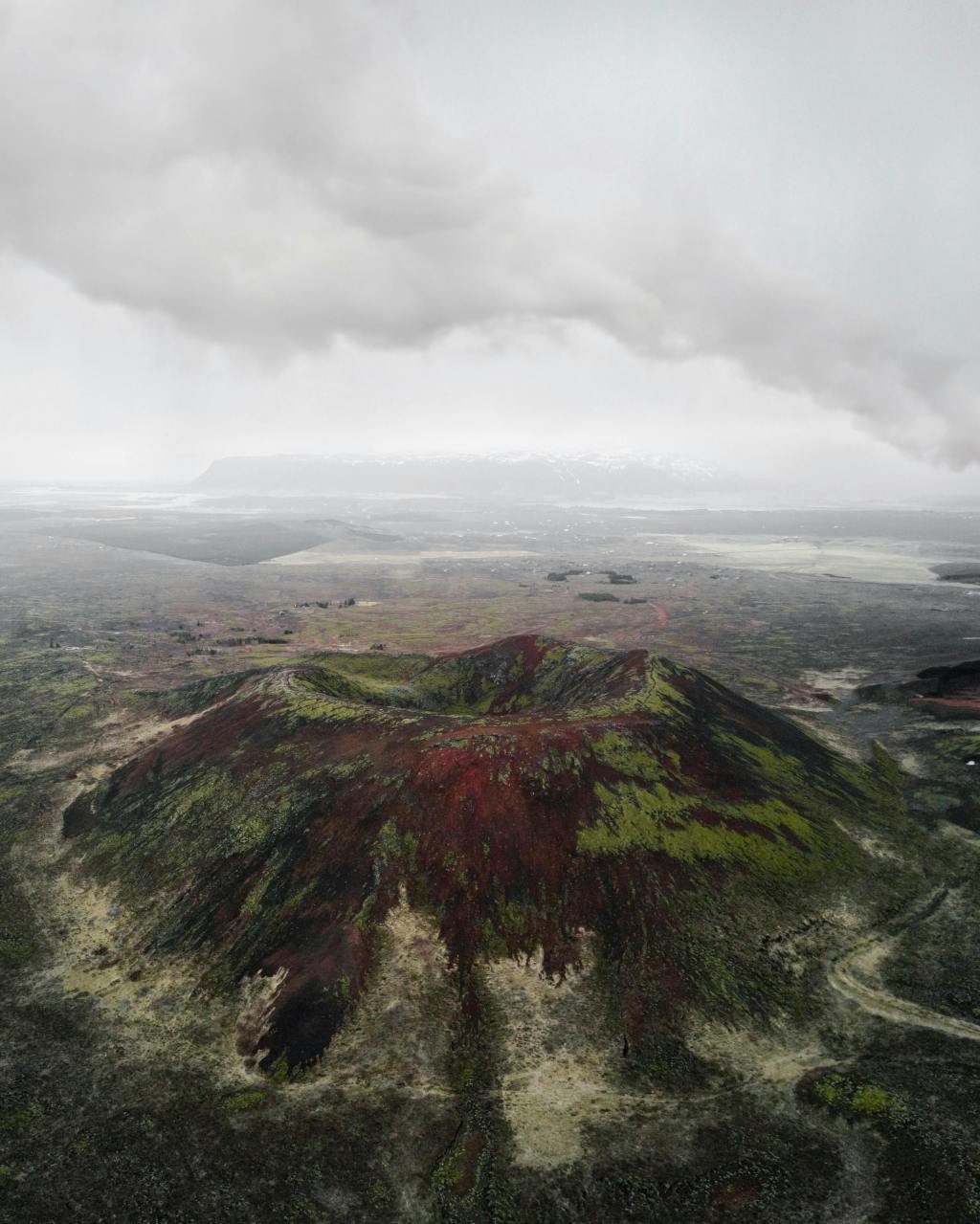
There are places that welcome you gently. Places that soften their edges, tidy their wilderness and make it easy to feel in control.
Iceland is not one of those places.
In Iceland, the landscape doesn’t simply surround you. It confronts you. It interrupts your expectations. It reminds you (without malice, without apology) that the world is not arranged for our comfort. The wind doesn’t negotiate. The cold doesn’t care if you packed the right layers. The terrain doesn’t become safer because you wanted it to.
And yet, people fall in love with Iceland anyway.
Maybe because it offers something we rarely encounter anymore. A place that refuses to be managed.
Where the Land Leaves Space for Stories
Iceland’s beauty is not decorative. It’s elemental.
In the Highlands, the country becomes almost unrecognizable in the way it strips itself down. This vast upland interior, closed off by severe weather for much of the year, holds long stretches of black lava fields, braided rivers, and steaming valleys where the earth seems to breathe through thin cracks in the surface.
There are places where the landscape feels empty of civilization, but not empty of presence. It’s the kind of terrain that makes silence feel lofty. The kind of quiet that asks you to pay attention.
And when the world looks raw, ancient, and indifferent, it does something to the human mind.
It creates room for wonder to take root.
Myths, Identity, and the Land
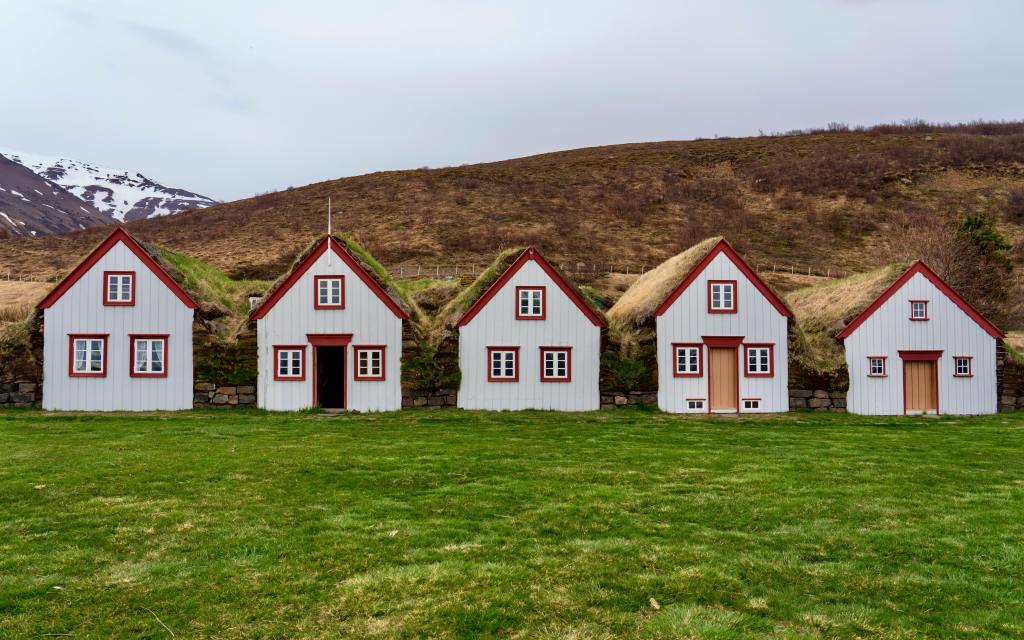
Iceland is often introduced through its stories; Old Norse sagas and legends still echo in language and literature that’s been preserved across centuries. And yes, you’ll hear about the hidden people (huldufólk). The unseen ones said to dwell in certain stones and hillsides.
To outsiders, it can sound like whimsy. A charming cultural footnote.
But the deeper truth is less about literal belief and more about relationship.
When a place is powerful enough to humble you daily, you don’t treat it like an object. You don’t assume you’re entitled to reshape it. You learn to move carefully, to step lightly, to pause before you interfere.
Even modern life in Iceland still carries traces of that reverence; stories of construction projects delayed, rerouted, or reconsidered because a rock wasn’t “just a rock”. Because a place had meaning. Because something older than convenience was allowed to speak.
Whether you call it folklore or wisdom, the outcome is the same:
A culture that remembers the land is not mute.
A Country Built Under Pressure
Iceland is an island, and island life teaches a certain kind of awareness. Systems are close together. Communities are interconnected. And mistakes ripple outward.
Over time, that reality shapes more than infrastructure. It shapes behavior.
There is a kind of social discipline in Iceland that feels less like strictness and more like mutual responsibility, an understanding that freedom only works when it’s held together by respect. The idea that people can move through shared spaces (public, wild, fragile) without constantly needing to be controlled.
Not because someone is watching.
But because it matters.
Summer Light, Winter Truth
Iceland’s seasons are not subtle. They don’t just change the mood; they change the rules.
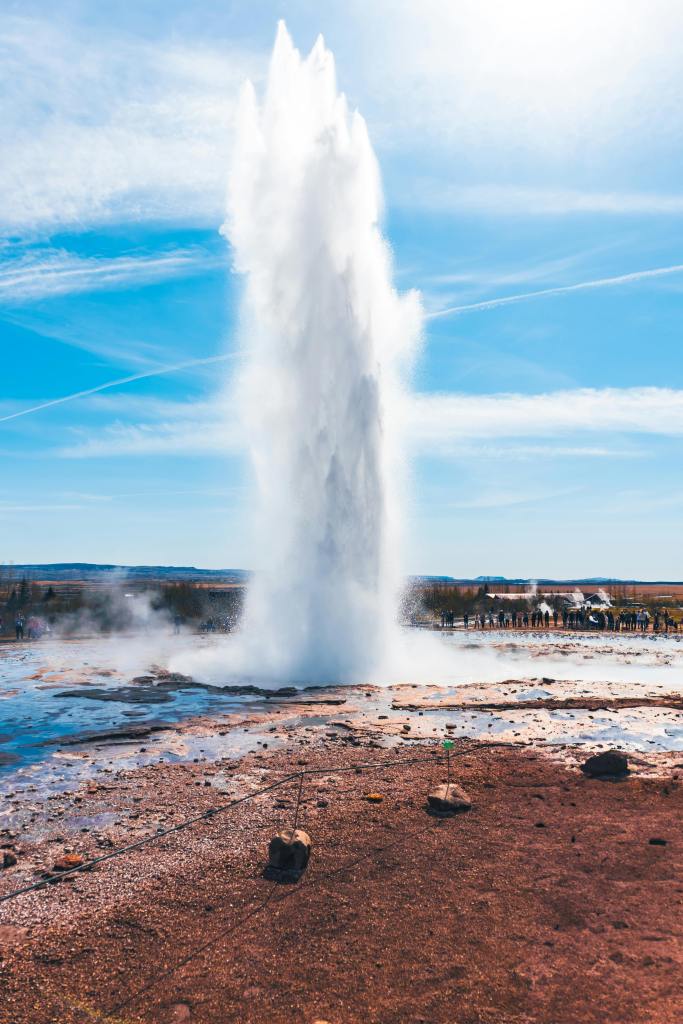
In summer, the world opens. The light stretches long into the night, and the country can feel almost unreal in its contrast. Green hills rising above black volcanic ground, moss spilling over rock like velvet, valleys threaded with rivers, and birch forests so small there’s an old proverb that says, “If you get lost in an Icelandic forest, stand up.”
Summer has a pulse. A kind of brief, bright intensity as if the land is awake and moving.
But winter is something else entirely.
Winter is when Iceland becomes unmistakably itself. Harsh, beautiful, and uncompromising. Ice forms and breaks. Wind strips away comfort. Storms rearrange plans without hesitation. The country turns inward, and you begin to understand what it means to live in a place where nature is not just scenery, it’s an authority.
This is why Iceland isn’t a destination you “conquer”.
It’s a destination you enter carefully.
Travel That Matches the Place
Tourism is an important part of Iceland’s economy, and the country continues to navigate the tension every wild place faces: how to welcome the world without being worn down by it.
For travelers, that tension becomes an invitation.
Not to consume Iceland, but to meet it honestly.
To accept that some roads close. Some caves collapse. Some weather windows never open. To understand that the best experiences aren’t always the ones you planned most tightly, but the ones you allowed to unfold at their own pace.
Iceland doesn’t exist to impress us.
It exists as it always has. Shaped by fire and ice, filled with silence and story, and governed by forces far older than our schedules.
And if you want to travel here responsibly, the first lesson is simple:
Don’t arrive expecting Iceland to behave.
Arrive ready to pay attention.


Leave a Reply