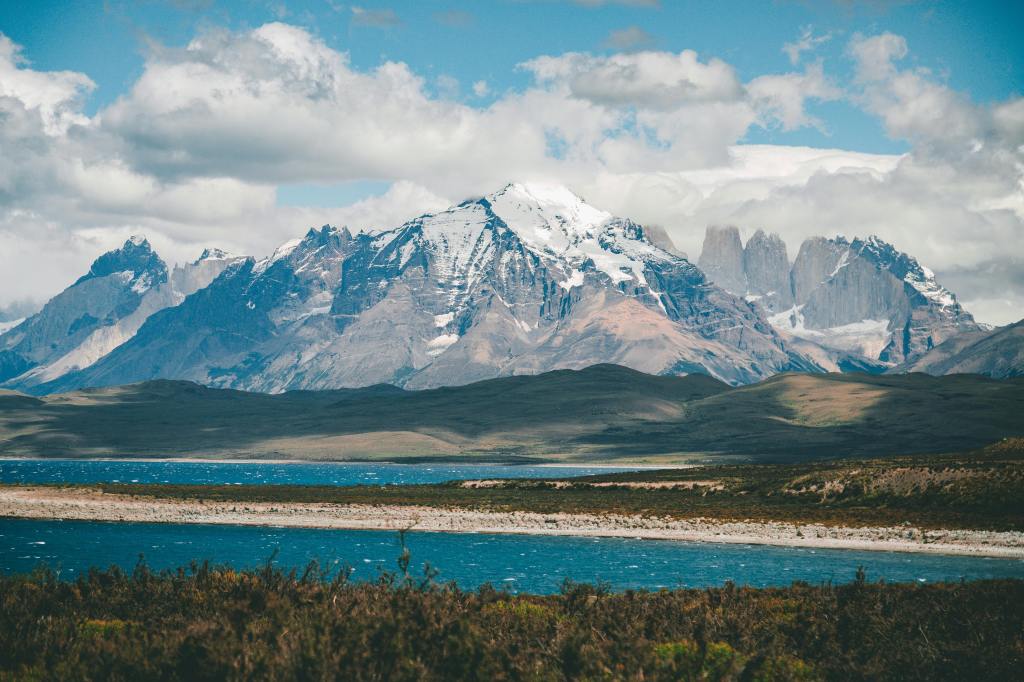
Patagonia is not a destination meant to be rushed.
Stretching across southern Chile and Argentina, this remote region is defined by vast distances, fragile ecosystems, and rapidly changing weather. While it’s tempting to treat Patagonia like a checklist – glaciers, peaks, viewpoints, border crossings – the travelers who experience it most meaningfully are often those who slow down, choose fewer places, and allow the land to set the pace.
This guide is designed to help you plan Patagonia thoughtfully – in a way that protects the environment, respects local communities, and creates deeper, more lasting memories.
Why Patagonia Requires a Different Mindset
Unlike cities or compact regions, Patagonia operates on nature’s terms.
Wind can reroute your day. Weather can shift plans entirely. Long travel times make overpacked itineraries exhausting rather than rewarding. Many of the landscapes here are protected precisely because they are vulnerable.
Planning Patagonia well isn’t about doing more – it’s about doing enough, intentionally.
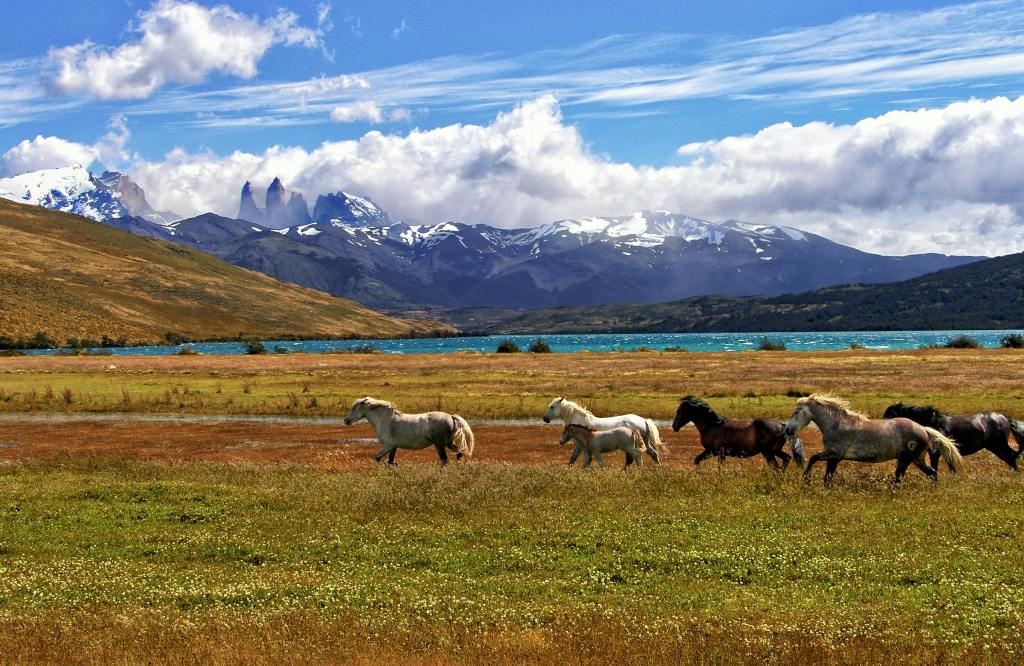
Principles for Planning Patagonia the Conscious Way
Choose Fewer Bases
Constantly moving between towns and parks may look efficient on paper, but it often leads to fatigue and missed moments. Staying in one or two thoughtfully chosen locations allows you to reduce long transfers, experience changing light and weather, and build familiarity with the landscape. Depth matters more than distance here.
Build Flexibility Into Every Day
Patagonia’s weather is unpredictable – and that’s part of its character. Buffer time, optional experiences, and space to rest protect your experience rather than limiting it.
Use Protected Infrastructure
Boardwalk systems, marked trails, and regulated excursions allow travelers to experience Patagonia’s landscapes while minimizing environmental impact – often with better viewpoints than unregulated access.
Select Experiences That Educate, Not Extract
Local, conservation-minded guides provide environmental context, cultural insight, and safer, lower-impact access, transforming sightseeing into understanding.
Plan Rest as Part of the Journey
Wind, terrain, and long days can be physically demanding. Rest days allow you to stay present rather than rushed. In Patagonia, stillness is part of the experience.
Practical Patagonia Travel Tips (That Apply Anywhere Wild)
These tips matter deeply in Patagonia – and apply to many fragile, nature-forward destinations:
- Stay on marked trails; alpine plants can take decades to recover
- Observe wildlife from a respectful distance
- Pack out everything you bring in
- Choose experiences with clear environmental guidelines
- Expect weather changes and adapt rather than resist
- Slow down – fewer locations often lead to deeper connection
Patagonia doesn’t ask travelers to do less.
It asks us to travel with intention.
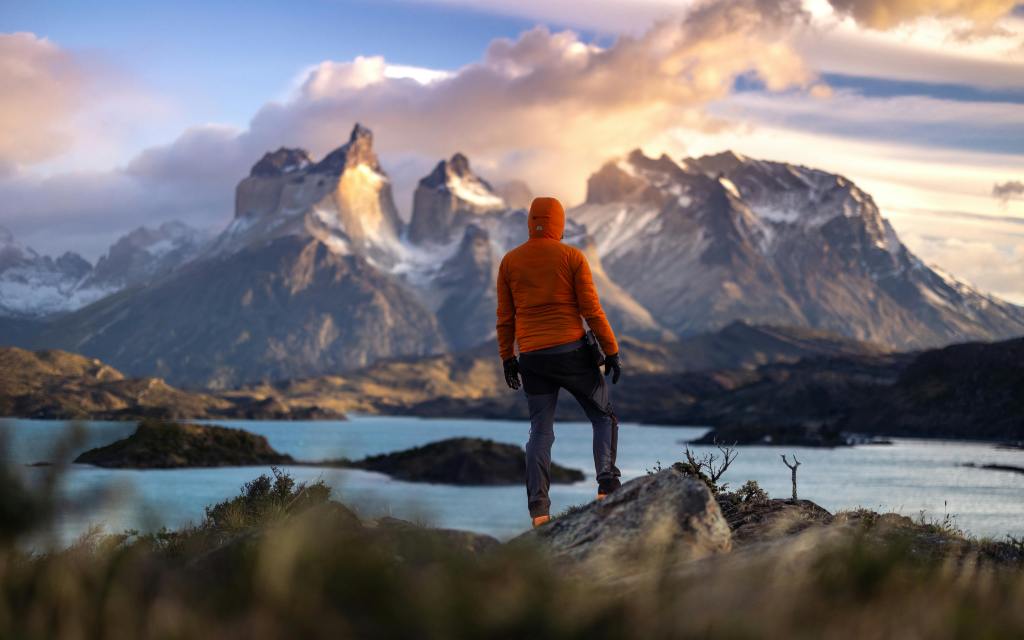
What a Slow, Low-Impact Patagonia Itinerary Can Look Like
To bring these principles to life, I created a 3-5 day slow paced Patagonia itinerary designed around conservation, protected trails, and meaningful experiences rather than constant movement.
This approach prioritizes:
- One well-managed national park base
- Regulated glacier experiences
- Wildlife viewing and cultural depth
- Optional extensions for travelers with more time
Sample Slow-Paced Patagonia Itinerary
Day 1 – Torres del Paine: Arrival & Orientation
Ease into the park with gentle walks near Lago Pehoé, scenic viewpoints, and time to learn trail systems and guidelines.
Day 2 – Torres del Paine: Trails and Wildlife
Choose one well-maintained trail, stay on marked paths, observe wildlife from a distance, and start early to avoid crowding.
Day 3 – Perito Moreno Glacier (Argentina)
Experience the glacier via elevated boardwalks or eco-certified mini-treks that prioritize education and environmental protection.
Optional Extensions (Days 4-5)
A traditional estancia visit offers cultural depth, while a Grey Glacier boat tour across Lago Grey provides close views of sculpted ice without strenuous hiking.
Why This Approach Works
This itinerary emphasizes fewer locations, protected infrastructure, local guides, and flexibility for weather and rest – reflecting the heart of Conscious Journeys:
Explore the world. Protect what matters.
Final Thoughts
Patagonia remains one of the world’s great wild places because it demands respect – from land managers, local communities, and travelers alike.
With thoughtful pacing and intentional planning, a Patagonia journey can create lasting memories without taking more than the land can give.
Download the Printable Patagonia Itinerary
To accompany this guide, I created a printable 3–5 day Patagonia itinerary designed around slow pacing, protected landscapes, and conservation-minded experiences.
✨ Ideal for saving, printing, or referencing while planning


Leave a Reply